
Matcha Water Benefits: 7 Reasons to Switch Your Drink
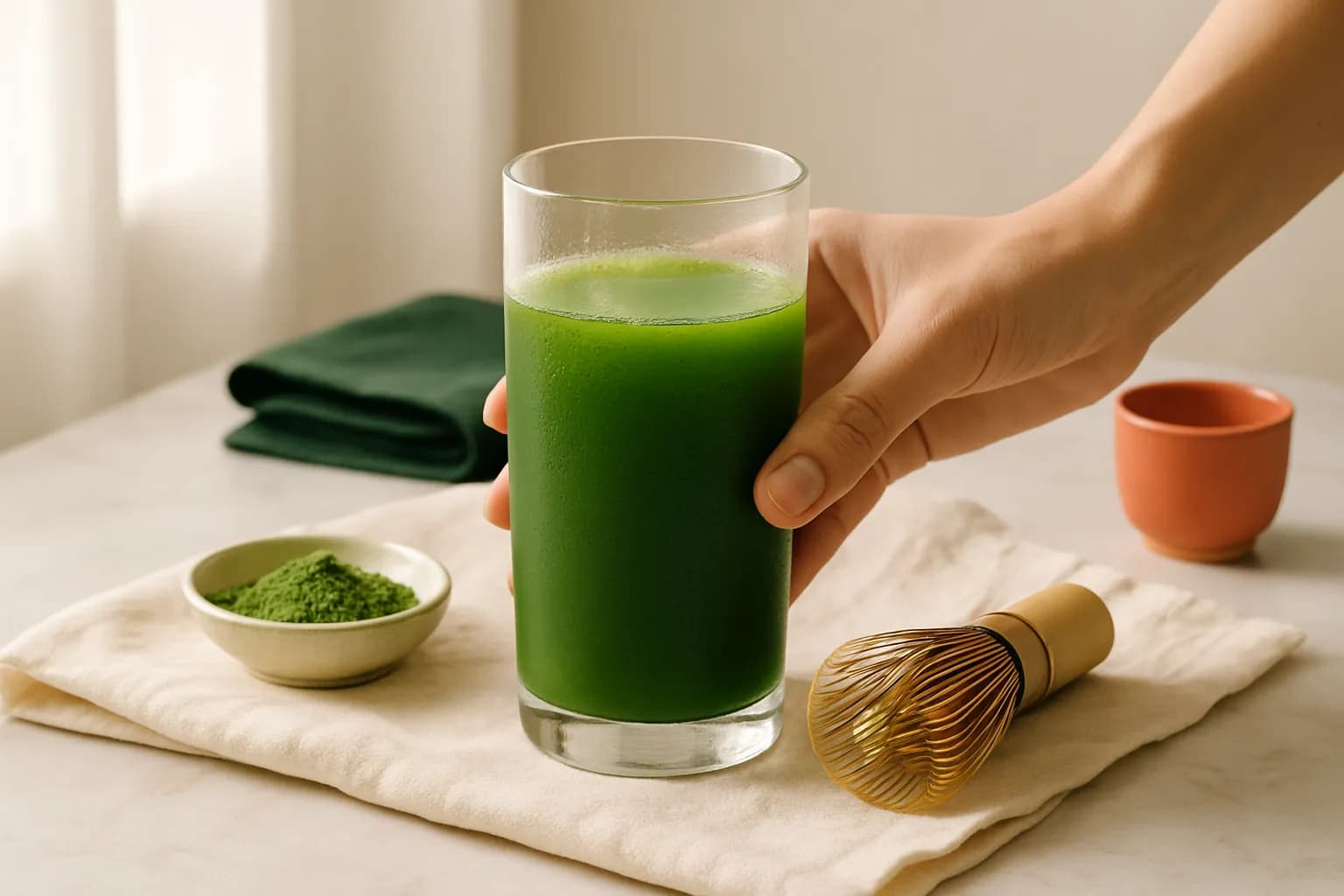
What Makes Matcha Water Different from Regular Matcha or Plain Water?
Matcha water takes the concentrated benefits of shade-grown Japanese matcha and dilutes it into a drinkable, hydrating format. Unlike traditional whisked matcha tea, matcha water is designed for on-the-go consumption with a lighter, more refreshing taste.
The real advantage comes from combining two wellness essentials in one drink: the antioxidant power and clean caffeine of matcha with the hydration your body needs throughout the day. You get functional benefits without added sugars, artificial sweeteners, or the crash that comes with conventional energy drinks.
Quality matcha water uses real ceremonial or premium-grade matcha powder from regions like Uji, Kyoto, where the tea plants (Camellia sinensis) are shade-grown for 20-30 days before harvest. This shading process increases chlorophyll and L-theanine content, which translates directly to the benefits you'll experience.
7 Science-Backed Matcha Water Benefits
1. Sustained Energy Without the Crash
Matcha water typically contains 50-80mg of natural caffeine per serving, roughly half a cup of coffee. But the energy feels completely different thanks to L-theanine, an amino acid that promotes alpha brain wave activity.
This unique caffeine-to-L-theanine ratio creates what researchers call "calm alertness." A 2017 study published in Nutritional Neuroscience found that this combination improves attention and task performance while reducing the jittery side effects associated with caffeine alone.
You'll notice sustained focus for 4-6 hours instead of the spike-and-crash cycle from coffee or energy drinks.
2. Powerful Antioxidant Protection
Matcha contains up to 137 times more epigallocatechin gallate (EGCG) than regular green tea, according to research from the University of Colorado. EGCG is a catechin antioxidant that helps neutralize free radicals and reduce oxidative stress in your cells.
When you drink matcha water, you're consuming the entire tea leaf in powdered form rather than steeping and discarding it. This means you get the full spectrum of antioxidants, not just what can be extracted into water.
The antioxidant capacity is measured in ORAC (Oxygen Radical Absorbance Capacity) units, and matcha scores around 1,300 units per gram compared to 105 for spinach and 93 for blueberries.
3. Enhanced Hydration with Function
Plain water is essential, but matcha water adds functional benefits to every sip. You're hitting your hydration goals while delivering antioxidants, amino acids, and natural energy to your system.
This matters because most people struggle to drink enough water daily. When your water tastes better and makes you feel better, you're more likely to reach for it throughout the day.
The light flavor and refreshing profile of matcha water make it easier to maintain consistent hydration, especially if you find plain water boring or you're trying to cut back on sugary beverages.
4. Metabolic Support and Thermogenesis
Multiple studies have examined matcha's role in metabolic health. A 2018 meta-analysis in the International Journal of Sport Nutrition and Exercise Metabolism found that green tea catechins, particularly EGCG, can increase fat oxidation during exercise by up to 17%.
Matcha also has thermogenic properties, meaning it may help your body burn calories more efficiently. While it's not a magic weight-loss solution, incorporating matcha water into a healthy lifestyle can support your metabolism naturally.
The combination of caffeine and catechins works synergistically to enhance thermogenesis without artificial stimulants or questionable ingredients.
5. Skin Health and Natural Glow
The antioxidants in matcha water don't just work internally. EGCG has been shown to protect skin from UV damage, reduce inflammation, and support collagen production.
A 2011 study in the Journal of Nutrition found that regular green tea catechin consumption improved skin elasticity, reduced roughness, and provided protection against sun-induced damage. The chlorophyll content in matcha also helps detoxify skin from the inside out.
Staying hydrated with matcha water means you're supporting skin health through both hydration and targeted antioxidant delivery. That's the "glow from within" effect that no topical product can fully replicate.
6. Mental Clarity and Focus
Beyond the calm energy from L-theanine, matcha contains several compounds that support cognitive function. Research published in the American Journal of Clinical Nutrition showed that the combination of caffeine and L-theanine improves both speed and accuracy of performance on demanding cognitive tasks.
L-theanine increases levels of GABA, dopamine, and serotonin in your brain, neurotransmitters that regulate mood, focus, and stress response. This is why matcha water feels like mental clarity rather than artificial stimulation.
You can sip matcha water during work, study sessions, or creative projects and maintain focus without the anxiety or distraction that often comes with high-caffeine drinks.
7. Convenient Wellness Without Preparation
Traditional matcha preparation requires a bamboo whisk, bowl, sifter, and the right water temperature. Matcha water eliminates all that friction while delivering the same core benefits.
This convenience factor matters for consistency. Wellness benefits compound over time, and you're far more likely to drink matcha daily when it's ready-to-drink rather than requiring a five-minute ritual every morning.
Grab it from your fridge, throw it in your bag, and you have functional hydration anywhere you go.
Who Should Drink Matcha Water?
Matcha water works well for anyone looking to upgrade their hydration with functional benefits. It's particularly valuable if you're trying to reduce coffee consumption but still need clean energy for focus and productivity.
Athletes and active individuals benefit from the combination of hydration, antioxidants, and natural caffeine before or after workouts. The L-theanine helps maintain mental focus during training without overstimulation.
If you're caffeine-sensitive, start with half a bottle and see how you feel. The 50-80mg caffeine range is moderate, but everyone's tolerance differs. Pregnant or nursing individuals should consult their healthcare provider, as matcha does contain caffeine.
How Matcha Water Compares to Other Drinks
Matcha Water vs. Coffee
Coffee typically contains 95-200mg caffeine per cup and lacks L-theanine, which explains the jitters and crash many people experience. Matcha water provides 50-80mg with the calming amino acid balance, resulting in smoother, longer-lasting energy.
Coffee is also acidic (pH 4.85-5.10) and can cause digestive discomfort, while matcha water is gentler on your stomach. You get sustained focus without the mid-afternoon slump.
Matcha Water vs. Energy Drinks
Traditional energy drinks rely on high caffeine (160-300mg), added sugars (27-54g per can), and synthetic stimulants. Matcha water uses natural caffeine from tea leaves, zero sugar, and no artificial ingredients.
The antioxidant content alone sets them apart. Energy drinks offer no meaningful nutritional value, while matcha water delivers EGCG, chlorophyll, vitamins, and minerals alongside hydration.
Matcha Water vs. Brewed Green Tea
Brewed green tea contains only 25-35mg caffeine and a fraction of the antioxidants since you discard the leaves. Matcha water uses the whole leaf in powder form, concentrating all the beneficial compounds.
The EGCG content in matcha can be up to 137 times higher than steeped green tea, making matcha water a more potent wellness drink per ounce.
What to Look for in Quality Matcha Water
Not all matcha water is created equal. Check the ingredient list first: you want to see real matcha powder (not "green tea extract" or "natural flavors") listed prominently.
Avoid products with added sugars, artificial sweeteners, or excessive caffeine from synthetic sources. The best matcha water uses ceremonial or premium-grade matcha from Japan, which ensures higher L-theanine and antioxidant levels.
Look for transparent sourcing information. Reputable brands will tell you where their matcha comes from, how much caffeine is in each bottle, and what else is in the formula. Zero sugar, real ingredients, and clean energy should be the standard.
When and How to Drink Matcha Water
Morning is ideal for replacing your coffee or as a hydrating start to your day. The natural caffeine kicks in within 20-30 minutes and sustains for 4-6 hours, making it perfect for early focus.
Mid-afternoon works well for combating the 2-3 PM energy dip without disrupting evening sleep. Since matcha water contains moderate caffeine, most people can drink it until 2-3 PM without affecting nighttime rest.
Before workouts, matcha water provides clean energy and antioxidants that may enhance fat oxidation during exercise. After workouts, it rehydrates while delivering recovery-supporting compounds.
You can drink matcha water daily. One to two bottles per day keeps you within healthy caffeine limits (400mg maximum for most adults) while maximizing the cumulative benefits of regular antioxidant intake.
Experience Matcha Water Benefits with AURI
AURI Matcha Water delivers all these benefits in a convenient, ready-to-drink format with 80mg of natural caffeine, zero sugar, and real ceremonial-grade matcha from Japan. Choose from four thoughtfully crafted flavors: Lemon Lift and Matcha Mood (still) or Strawberry Flow and Mango Glow (sparkling).
Each 12 FL OZ bottle is designed for your mind, body, and glow. Whether you're replacing your morning coffee, ditching sugary energy drinks, or simply upgrading your hydration routine, AURI makes it effortless to experience the full spectrum of matcha water benefits.
AURI is launching soon. Join the waitlist at drinkauri.com to be the first to experience clean energy from real matcha.
Frequently Asked Questions
What are the main benefits of drinking matcha water?
Matcha water provides sustained energy without crashes, powerful antioxidant protection (up to 137x more EGCG than regular green tea), enhanced hydration with function, metabolic support, skin health benefits, improved mental clarity from L-theanine, and convenient wellness without preparation time.
How much caffeine is in matcha water?
Most matcha water contains 50-80mg of natural caffeine per serving, about half the amount in a cup of coffee. The caffeine works synergistically with L-theanine to provide calm, sustained energy for 4-6 hours without jitters or crashes.
Can I drink matcha water every day?
Yes, you can drink matcha water daily. One to two bottles per day keeps you within healthy caffeine limits while maximizing the cumulative antioxidant benefits. Matcha water is gentler on your stomach than coffee and provides consistent wellness support.
Is matcha water better than coffee for energy?
Matcha water provides smoother, longer-lasting energy than coffee due to the L-theanine and caffeine combination. You get 50-80mg caffeine with calming amino acids that prevent jitters and crashes, plus antioxidants and hydration that coffee doesn't offer.
Does matcha water help with skin health?
Yes, the EGCG antioxidants in matcha water protect skin from UV damage, reduce inflammation, and support collagen production. Studies show regular consumption improves skin elasticity and reduces roughness while the hydration component supports overall skin health from within.
Ready to Try AURI Matcha?
Premium ceremonial-grade matcha from Uji, Kyoto.
Shop Now