
Best Matcha Water: Your Guide to Clean Energy Hydration
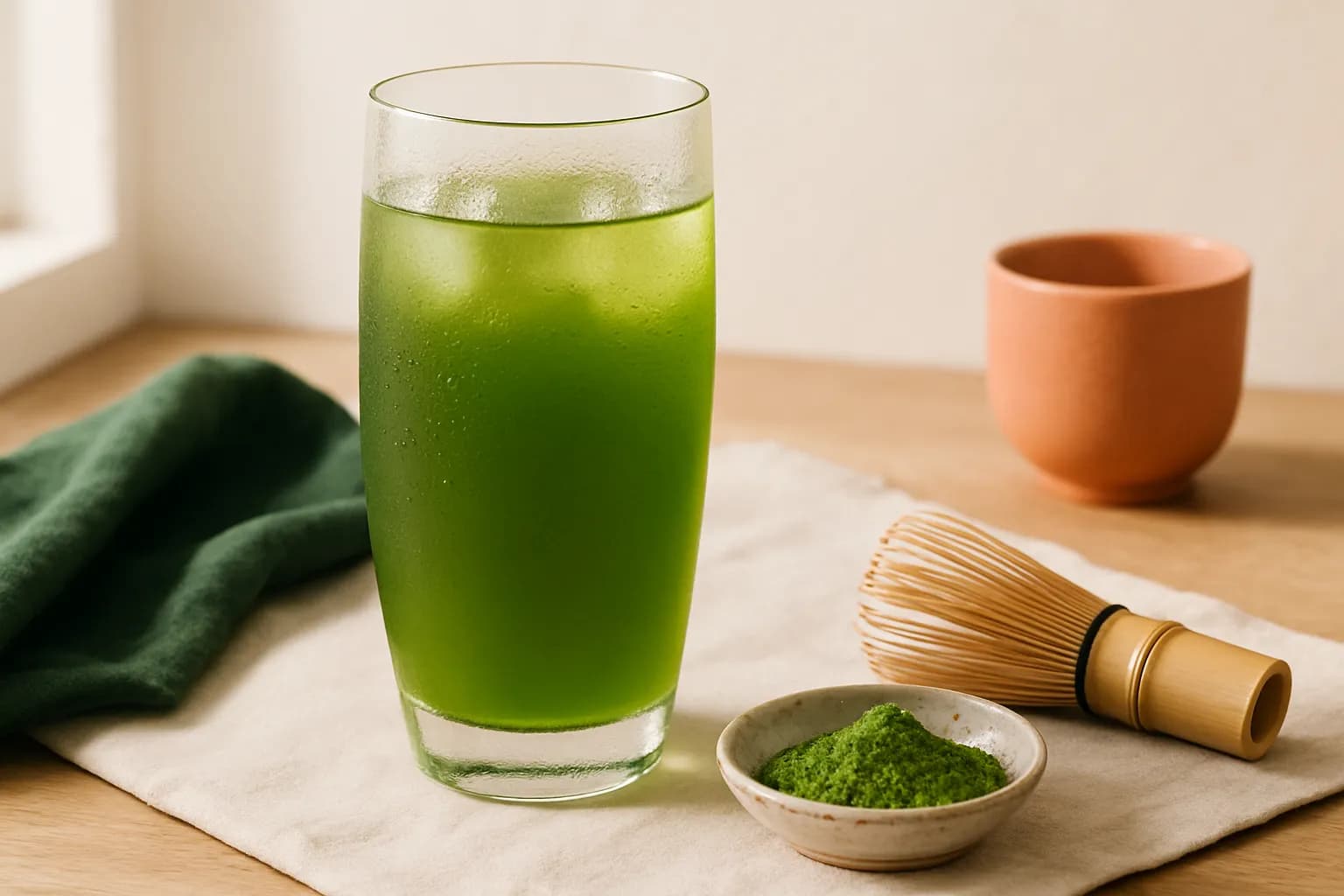
What Is Matcha Water?
Matcha water is a ready-to-drink beverage that combines real matcha powder with water and natural flavors. Unlike traditional matcha tea that requires whisking, matcha water offers the same benefits—sustained energy, L-theanine for focus, and powerful antioxidants—in a convenient, grab-and-go format.
The best matcha water uses premium Japanese matcha, contains zero added sugars, and delivers natural caffeine without the jitters or crash you get from coffee or conventional energy drinks.
Why Choose Matcha Water Over Traditional Matcha Tea?
Traditional matcha tea requires a bamboo whisk, ceremonial bowl, and proper preparation technique. Matcha water eliminates the ceremony while preserving the benefits.
You get 60-80mg of natural caffeine per serving—roughly the same as a cup of coffee—plus L-theanine, the amino acid that promotes calm alertness. This combination creates what users describe as "clean energy" without the anxiety or afternoon crash.
Matcha water is also pre-portioned, shelf-stable, and portable. You can toss it in your gym bag, keep it at your desk, or grab it on your way out the door. No powder clumps, no special equipment, no mess.
What Makes the Best Matcha Water?
Not all matcha waters are created equal. Here's what separates premium options from the rest:
Real Matcha Content
The best matcha water contains actual ceremonial-grade or premium culinary-grade matcha from Japan—not matcha flavoring or extract. Check the ingredient list. You should see "matcha powder" or "matcha green tea powder," ideally sourced from regions like Uji in Kyoto.
Premium matcha delivers 137 times more antioxidants than regular green tea, with EGCG (epigallocatechin gallate) as the star catechin. If your matcha water uses real matcha, you're getting these compounds in every sip.
Zero or Low Sugar Content
Many bottled matcha drinks are loaded with 20-30g of added sugar per serving. That's more sugar than a donut.
The best matcha water contains zero added sugars, relying instead on natural flavors and light sweetness from monk fruit or stevia if needed. This keeps the drink refreshing without spiking your blood sugar or adding empty calories.
Natural Ingredients Only
Skip anything with artificial colors, synthetic caffeine, or chemical preservatives. The best matcha water contains a short ingredient list: water, matcha, natural flavors, and perhaps a natural sweetener.
You should be able to pronounce everything on the label. If you see words ending in "-ate" or "-oxide," keep looking.
Appropriate Caffeine Levels
Look for 60-80mg of natural caffeine per serving. This range provides noticeable energy without overstimulation. Anything above 100mg starts to edge into energy drink territory and increases the risk of jitters.
The caffeine in matcha water comes directly from the tea leaves—not synthetic sources—and works synergistically with L-theanine to create sustained focus over 4-6 hours.
Flavor Variety
The best matcha water brands offer multiple flavor profiles so you don't get bored. Look for options like citrus (lemon, yuzu), berry (strawberry, raspberry), tropical (mango, pineapple), or straight-up matcha for purists.
Both still and sparkling options give you flexibility depending on your mood and preference.
Top Benefits of Drinking Matcha Water
Sustained Energy Without the Crash
Unlike coffee, which floods your system with caffeine all at once, matcha releases caffeine gradually over several hours. The L-theanine content slows absorption and promotes alpha brain wave activity—the same state achieved during meditation.
You stay alert and focused without the 2 PM energy cliff that follows your morning coffee.
Powerful Antioxidant Protection
Matcha contains exceptionally high levels of EGCG, a catechin that fights oxidative stress and supports cellular health. One serving of quality matcha provides the antioxidant equivalent of 10 cups of regular green tea.
These compounds support everything from skin health to immune function to metabolic wellness.
Enhanced Mental Clarity
The caffeine-L-theanine combination improves attention span, reaction time, and memory. Studies show this duo enhances cognitive performance better than caffeine alone.
You get focus without tunnel vision—perfect for creative work, problem-solving, or long study sessions.
Convenient Hydration
Matcha water helps you hit your daily hydration goals while delivering functional benefits. Most people don't drink enough water throughout the day. When your hydration tastes good and provides energy, you're more likely to sip consistently.
How to Choose Your Best Matcha Water
Consider these factors when selecting your go-to matcha water:
- Taste preference: Do you want bold matcha flavor or something fruit-forward?
- Carbonation: Still or sparkling?
- Caffeine sensitivity: Check the mg per serving if you're caffeine-sensitive
- Sugar tolerance: Zero sugar or naturally sweetened?
- Price point: Premium ingredients cost more but deliver better results
- Availability: Can you buy it online or do you need local retail?
Read reviews from actual customers. Look for comments about taste, sustained energy, and whether people experienced jitters or crashes. These real-world experiences tell you more than marketing claims.
When to Drink Matcha Water
Matcha water works for multiple occasions:
Morning: Replace your coffee or energy drink for a gentler wake-up. The caffeine kicks in within 20-30 minutes and lasts through lunch.
Pre-workout: Drink 30-45 minutes before exercise for enhanced endurance and fat oxidation. The natural caffeine boosts performance without artificial stimulants.
Midday slump: Skip the afternoon coffee that keeps you up past midnight. Matcha water around 2-3 PM sustains energy without disrupting sleep.
Study or work sessions: Sip during mentally demanding tasks for improved focus and reduced mental fatigue.
AURI: Premium Matcha Water Launching Soon
If you're searching for the best matcha water, AURI delivers everything you need in a premium package. We use real Japanese matcha, zero sugar, and 80mg of natural caffeine per 12 oz serving.
Four flavors launch soon: Lemon Lift and Matcha Mood (both still), plus Strawberry Flow and Mango Glow (both sparkling). Each contains the same clean energy formula—just choose your favorite flavor profile.
AURI is made for your mind, body, and glow. No artificial ingredients, no empty promises, no crash. Visit our waitlist page to get early access when we launch.
Common Mistakes When Buying Matcha Water
Choosing Based on Price Alone
The cheapest option usually contains matcha flavoring instead of real matcha powder. You're essentially buying green-colored sugar water. Premium matcha is expensive to source—quality products reflect this in their pricing.
Ignoring the Sugar Content
Always flip the can and check the nutrition facts. Some matcha drinks contain 25-30g of added sugar, which negates the health benefits and causes energy crashes. Zero-sugar or naturally sweetened options are always better.
Overlooking Caffeine Amounts
Some matcha waters add synthetic caffeine on top of the natural caffeine from matcha. This pushes total caffeine above 150mg—more than most people need. Stick to products with 60-80mg from natural sources only.
Buying Without Reading Reviews
Marketing photos look beautiful, but taste and effectiveness matter more. Read customer reviews to learn whether the matcha flavor is authentic, if the drink provides sustained energy, and whether people actually enjoy it enough to repurchase.
Matcha Water vs. Other Energy Drinks
Matcha water stands apart from conventional energy drinks in several ways:
Natural caffeine source: Matcha water uses tea-based caffeine, not synthetic taurine or guarana extracts. This provides gentler, longer-lasting energy.
L-theanine content: Energy drinks lack this calming amino acid, which is why they often cause jitters and anxiety. Matcha water includes L-theanine naturally.
Antioxidant density: Matcha water delivers powerful EGCG and catechins. Energy drinks offer zero antioxidant benefits.
Sugar content: Most energy drinks contain 20-50g of sugar. Premium matcha water contains zero.
Clean ingredients: Matcha water uses simple, recognizable ingredients. Energy drinks often include a cocktail of synthetic vitamins, artificial colors, and chemical preservatives.
The Bottom Line on Best Matcha Water
The best matcha water combines real Japanese matcha, zero added sugars, natural ingredients, and 60-80mg of natural caffeine. It provides sustained energy, mental clarity, and powerful antioxidants without the crash or jitters of coffee and energy drinks.
Look for brands that prioritize ingredient quality over flashy marketing. Check labels carefully for real matcha content and sugar amounts. Choose flavors you'll enjoy drinking daily, because consistency matters for experiencing the full benefits.
Matcha water represents the next evolution in functional beverages—clean energy that actually tastes good and supports your wellness goals. Whether you're ditching coffee, avoiding sugary energy drinks, or simply looking for better hydration, premium matcha water delivers.
Frequently Asked Questions
What is the best matcha water brand?
The best matcha water brands use real Japanese matcha, contain zero added sugars, and deliver 60-80mg of natural caffeine. AURI Matcha Water meets all these criteria with four flavors launching soon: Lemon Lift, Matcha Mood, Strawberry Flow, and Mango Glow. Look for brands with transparent ingredient lists and positive customer reviews.
Is matcha water better than coffee?
Matcha water provides sustained energy over 4-6 hours without the crash associated with coffee. The combination of natural caffeine and L-theanine creates calm focus rather than jitters. Matcha water also delivers powerful antioxidants that coffee lacks. However, the 'better' choice depends on your personal preferences and how your body responds to each beverage.
How much caffeine is in matcha water?
Most premium matcha water contains 60-80mg of natural caffeine per 12 oz serving. This is roughly equivalent to a cup of coffee but releases more gradually due to L-theanine content. AURI Matcha Water contains 80mg of natural caffeine from real matcha in every can.
Does matcha water have sugar?
The best matcha water contains zero added sugars. However, some brands add 20-30g of sugar per serving, which negates health benefits. Always check the nutrition label. Premium options like AURI use zero sugar and rely on natural flavors instead.
When should I drink matcha water?
Matcha water works well in the morning as a coffee replacement, 30-45 minutes before workouts for enhanced performance, or during the midday slump (2-3 PM) for sustained afternoon energy. The caffeine takes effect within 20-30 minutes and lasts 4-6 hours without disrupting sleep when consumed earlier in the day.
Related Articles
Ready to Try AURI Matcha?
Premium ceremonial-grade matcha from Uji, Kyoto.
Shop Now