
Canned Matcha: Everything You Need to Know Before You Buy
What Is Canned Matcha?
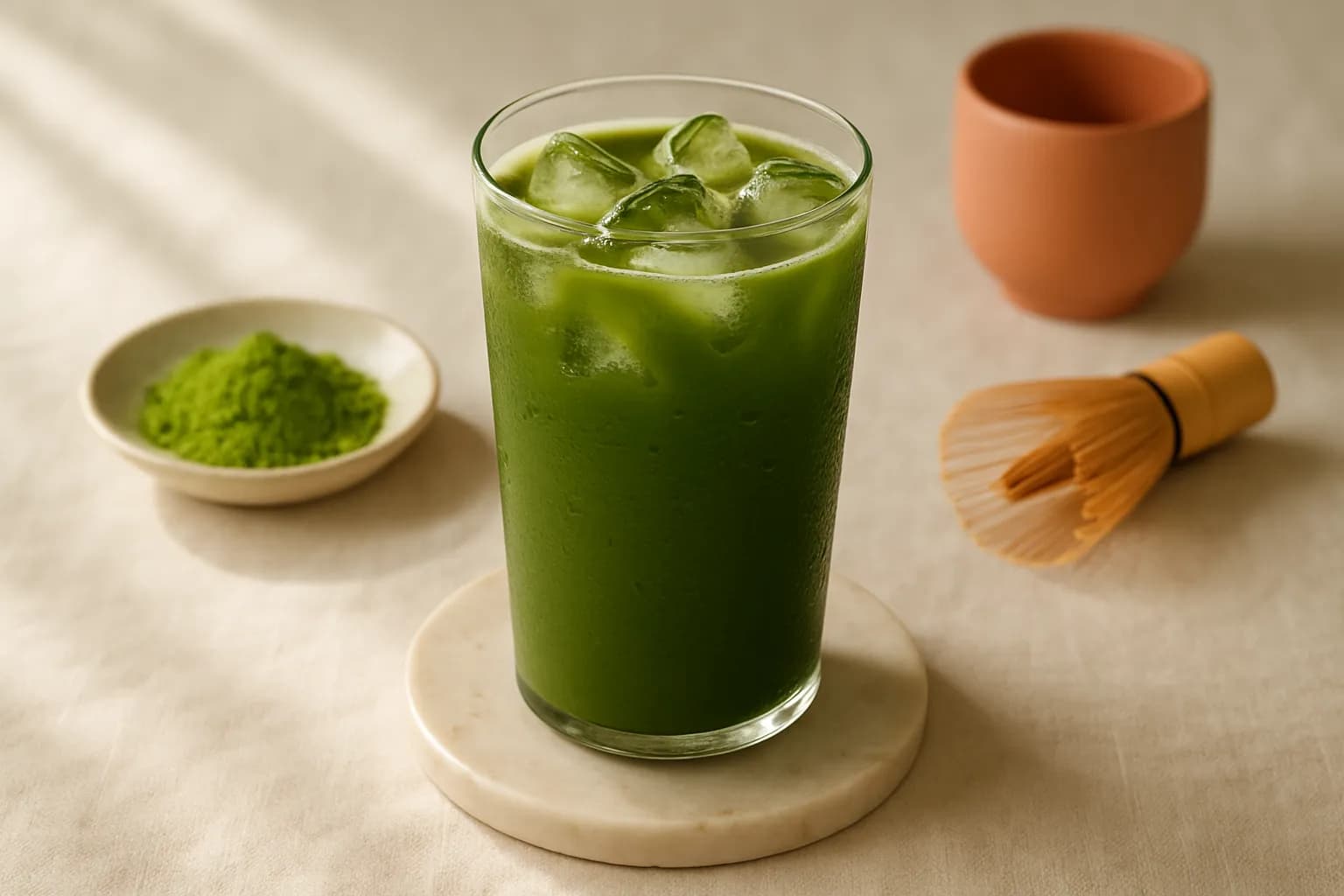
Canned matcha is a ready-to-drink beverage made with real matcha green tea powder, packaged in convenient cans or bottles. Unlike traditional matcha that requires whisking powder with water, canned matcha gives you instant access to matcha's benefits without any preparation.
The category has exploded in the past few years as people look for healthier alternatives to coffee and energy drinks. You'll find canned matcha in everything from sweetened lattes to clean matcha water formats with zero sugar.
The key difference between products comes down to what else is in the can. Some brands load their drinks with 20+ grams of sugar, artificial flavors, and minimal actual matcha. Others keep it clean with real matcha as the star ingredient.
How Much Caffeine Is in Canned Matcha?
Most canned matcha drinks contain between 50-100mg of caffeine per can, depending on the amount of real matcha used. That's roughly equivalent to one cup of coffee, but with a crucial difference: the L-theanine in matcha creates calm, focused energy without the crash.
Traditional matcha powder contains about 70mg of caffeine per teaspoon. Quality canned matcha products will tell you exactly how much caffeine is in each can—if that number isn't on the label, it's a red flag that there might not be much real matcha inside.
The caffeine in matcha is released slowly over 4-6 hours, thanks to L-theanine's moderating effect. This means you get sustained energy without the jitters or afternoon crash that coffee drinkers know too well.
What Are the Benefits of Drinking Canned Matcha?
Canned matcha offers all the benefits of traditional matcha in a portable format. Here's what you're getting in every can:
- Sustained energy: Natural caffeine combined with L-theanine provides 4-6 hours of calm focus
- High antioxidants: EGCG catechins fight free radicals and support cellular health
- Metabolism support: Catechins may boost metabolic rate by 4-5% according to research
- Mental clarity: L-theanine increases alpha brain wave activity, promoting relaxation without drowsiness
- Convenience: No whisking, no mess, no equipment needed
The convenience factor cannot be overstated. You get the same compounds found in ceremonial grade matcha—caffeine, L-theanine, EGCG—without dedicating 10 minutes to preparation every time you want a drink.
How Do You Choose a Quality Canned Matcha?
Not all canned matcha is created equal. Here's what to look for when you're scanning the beverage aisle:
Check the Ingredients List
Real matcha should be listed prominently in the ingredients. If you see "green tea extract" or "matcha flavoring" instead of actual matcha powder, you're not getting the real thing. The best canned matcha products list matcha as one of the first three ingredients.
Look at the Sugar Content
Many canned matcha lattes contain 15-25 grams of sugar per can—more than a glazed donut. If you're drinking matcha for the health benefits, all that added sugar undermines your goals. Look for options with less than 5 grams of sugar, or better yet, zero sugar formulations.
Verify the Caffeine Amount
Brands using real matcha will proudly display their caffeine content. If you see a canned matcha with only 20-30mg of caffeine, there's probably not much actual matcha in there. Quality products typically contain 70-100mg per serving.
Watch Out for Artificial Ingredients
Artificial colors, flavors, and preservatives don't belong in a wellness drink. Check for natural ingredients and avoid anything with a paragraph-long ingredient list full of words you can't pronounce.
What's the Difference Between Canned Matcha and Matcha Lattes?
The main difference is dairy and sugar. Canned matcha lattes typically contain milk (dairy or plant-based), sweeteners, and often have 150-200 calories per can. They're designed to mimic the coffeehouse matcha latte experience.
Clean canned matcha or matcha water, on the other hand, focuses on the matcha itself with minimal additions. These products usually have zero or very low calories, no dairy, and let the natural matcha flavor shine through.
Think of it this way: matcha lattes are a treat, while matcha water is your daily hydration and energy source. Both have their place, but if you're drinking matcha multiple times per day, the zero-sugar options make more sense.
Does Canned Matcha Taste Different from Traditional Matcha?
Quality canned matcha should taste remarkably similar to freshly whisked matcha—earthy, slightly vegetal, with a natural sweetness. The difference comes down to formulation and how long the product has been sitting on the shelf.
Matcha oxidizes when exposed to light and air, which can create bitter, grassy flavors. Good canned matcha products use protective packaging and proper sealing to preserve the fresh taste. You should still get that smooth, umami-rich matcha flavor without harsh bitterness.
Some brands add natural flavors like lemon, strawberry, or mango to complement the matcha rather than mask it. When done well, these additions enhance the experience without overwhelming the matcha's natural taste profile.
How Much Does Canned Matcha Cost?
Expect to pay between $3-5 per can for quality canned matcha products. That might seem expensive compared to making your own matcha at home, but consider the convenience factor and what you're replacing.
If you're swapping out a $6 latte, you're saving money. If you're replacing a $3 energy drink loaded with artificial ingredients, you're making a health upgrade for roughly the same price. And compared to buying ceremonial grade matcha powder, a bamboo whisk, and taking time to prepare it daily, canned matcha becomes more economical.
Most brands offer multi-pack discounts, bringing the per-can cost down to $2.50-3.50 when you buy in bulk. Look for subscription options that can save you an additional 10-15%.
When Should You Drink Canned Matcha?
The beauty of canned matcha is that it works any time you need clean energy without the crash. Here are the most popular occasions:
- Morning energy: Replace your coffee with sustained focus that lasts until lunch
- Pre-workout: Natural caffeine boosts performance without artificial stimulants
- Afternoon slump: Skip the 3pm coffee and avoid disrupting your sleep
- Study sessions: L-theanine promotes concentration without anxiety
- Social situations: A sophisticated alternative to alcohol or sugary sodas
Because matcha's caffeine is released gradually, you can drink it later in the afternoon without affecting your sleep quality—something coffee drinkers can't usually say.
Is Canned Matcha Actually Healthy?
Canned matcha made with real matcha and minimal additives is absolutely a healthy choice. You're getting genuine Camellia sinensis tea with all its beneficial compounds: EGCG catechins, L-theanine, chlorophyll, and vitamins.
The health benefits are backed by substantial research. Studies show that regular matcha consumption supports metabolic health, provides neuroprotective benefits, and delivers powerful antioxidants that combat oxidative stress.
However, this only applies to products made with actual matcha and without excessive sugar or artificial ingredients. A canned "matcha" drink with 20 grams of sugar and green tea extract doesn't qualify as a health beverage, no matter what the marketing claims.
Where Can You Buy Canned Matcha?
Canned matcha has moved beyond specialty health food stores. You can now find it in:
- Whole Foods and other natural grocers
- Target and major retailers in the refrigerated beverage section
- Amazon and online beverage retailers
- Direct from brand websites (often with subscription discounts)
- Some coffee shops and cafes with expanded beverage coolers
Shopping directly from brand websites often gives you the best selection and freshness, plus you can subscribe for regular deliveries. This is particularly useful for matcha products since fresher is always better.
What About AURI Matcha Water?
If you're looking for canned matcha that checks all the boxes—real matcha, zero sugar, clean ingredients, and genuine benefits—AURI Matcha Water delivers exactly that. Each 12 oz can contains 80mg of natural caffeine from real Japanese matcha, with zero sugar and nothing artificial.
AURI offers four flavors designed for different moments: Lemon Lift and Matcha Mood in still format, plus Strawberry Flow and Mango Glow if you prefer sparkling. The focus is on matcha water, not an energy drink—clean hydration with functional benefits for your mind, body, and glow.
AURI is launching soon. Join the waitlist at drinkauri.com to be first to try it.
Can You Drink Canned Matcha Every Day?
Yes, you can drink canned matcha daily, and many people do as their primary source of caffeine. The 50-100mg of caffeine in most canned matcha products is well within safe daily limits (up to 400mg for most adults).
Daily matcha consumption may offer cumulative benefits. Research suggests that regular intake of green tea catechins supports cardiovascular health, metabolic function, and cognitive performance over time.
The key is choosing products without excessive sugar or artificial ingredients. Drinking a canned matcha with 20 grams of sugar every day would be counterproductive, but a clean formulation with real matcha makes an excellent daily wellness habit.
Frequently Asked Questions
How much caffeine is in canned matcha?
Most quality canned matcha contains 50-100mg of caffeine per can, roughly equivalent to one cup of coffee. The exact amount depends on how much real matcha is used. Products with significantly less caffeine likely contain minimal actual matcha.
Is canned matcha healthier than energy drinks?
Yes, canned matcha made with real matcha and without excessive sugar is significantly healthier than traditional energy drinks. You get natural caffeine, L-theanine for calm focus, and powerful antioxidants (EGCG) without artificial stimulants, synthetic caffeine, or excessive sugar.
Does canned matcha need to be refrigerated?
Unopened canned matcha is typically shelf-stable and doesn't require refrigeration. However, most brands recommend refrigerating for best taste, and you should always refrigerate after opening and consume within 24 hours.
Can you drink canned matcha on an empty stomach?
Yes, you can drink canned matcha on an empty stomach. The L-theanine in matcha helps buffer caffeine's effects, making it gentler on your stomach than coffee. However, if you have a sensitive stomach, you may want to have it with a small snack.
How long does canned matcha last?
Unopened canned matcha typically has a shelf life of 12-18 months when stored in a cool, dark place. Always check the best-by date on the can. Once opened, consume within 24 hours for best quality and refrigerate immediately.
Related Articles
Ready to Try AURI Matcha?
Premium ceremonial-grade matcha from Uji, Kyoto.
Shop Now