
Clean Energy Drink: What Makes It Actually Clean?
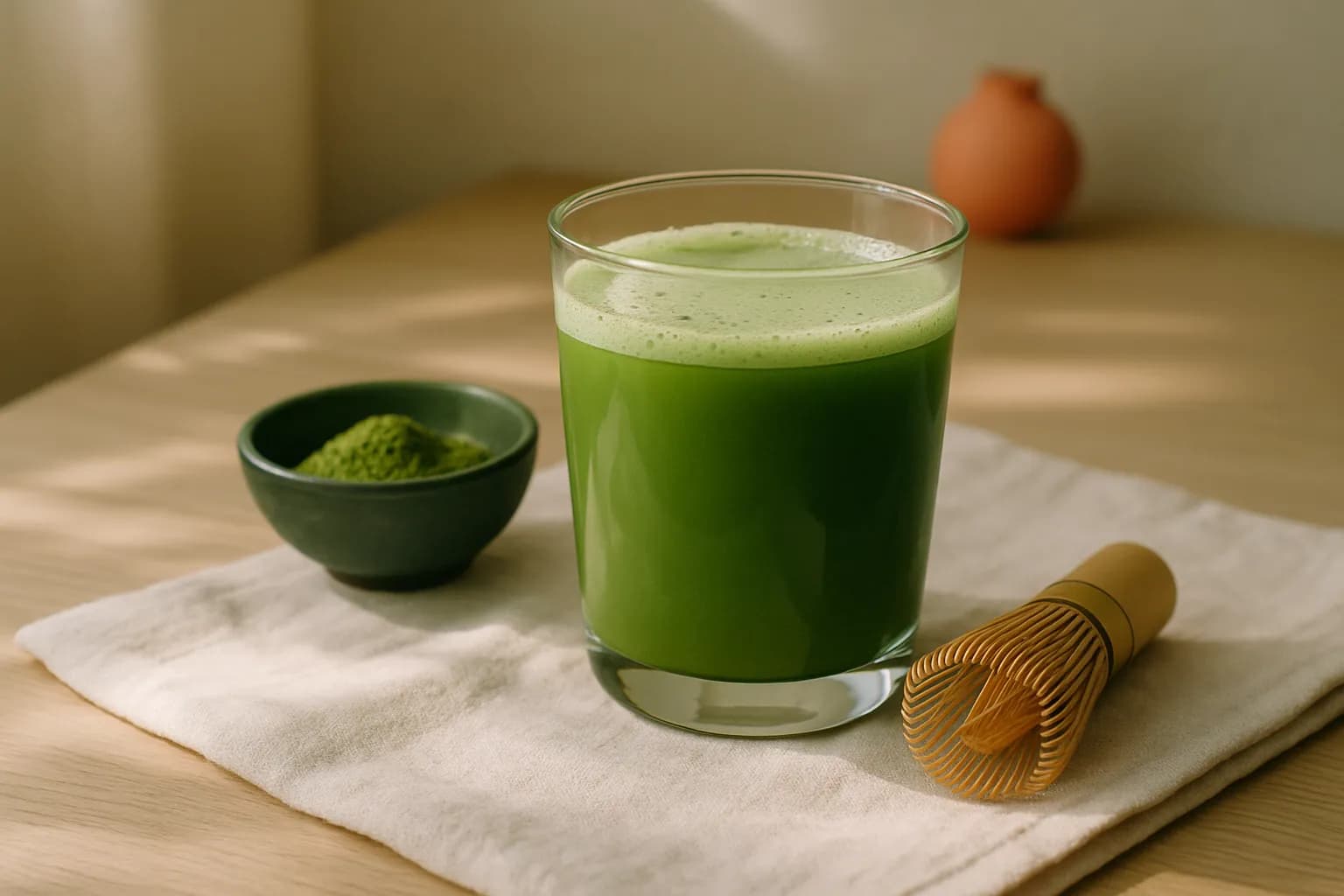
What Makes an Energy Drink "Clean"?
A clean energy drink contains recognizable ingredients, natural caffeine sources, zero or minimal added sugar, and no artificial additives. The term "clean" isn't regulated by the FDA, but it generally means you can pronounce everything on the label and understand where it comes from.
The clean energy movement emerged as consumers started questioning what they were putting in their bodies. Traditional energy drinks pack 160-300mg of synthetic caffeine, 50+ grams of sugar, and a cocktail of artificial colors and preservatives. Clean alternatives focus on whole-food ingredients that provide energy without the crash or chemical aftertaste.
Ingredients to Avoid in Energy Drinks
Traditional energy drinks often contain ingredients your body doesn't need. Here's what to watch out for:
- Artificial sweeteners: Sucralose, aspartame, and acesulfame potassium may be zero-calorie, but they can disrupt gut bacteria and increase sugar cravings
- Synthetic caffeine: Lab-created caffeine hits faster and harder than natural sources, leading to jitters and crashes
- Artificial colors: Red 40, Yellow 5, and Blue 1 have been linked to hyperactivity and allergic reactions
- Excessive sugar: Most traditional energy drinks contain 50-60g of sugar per can (more than a Snickers bar)
- Taurine in high doses: While naturally occurring in the body, synthetic taurine in mega-doses hasn't been studied long-term
- Preservatives: Sodium benzoate and potassium sorbate extend shelf life but offer no nutritional value
What Should Be in a Clean Energy Drink?
The best clean energy drinks contain a short list of recognizable ingredients. Here's what to look for:
Natural Caffeine Sources
Coffee, green tea, yerba mate, and matcha provide caffeine along with beneficial compounds like antioxidants and polyphenols. Matcha stands out because it contains L-theanine, an amino acid that promotes calm focus without the jittery feeling synthetic caffeine creates.
Natural caffeine is absorbed more slowly than synthetic versions, providing sustained energy for 4-6 hours rather than a sharp spike and crash.
Zero or Low Sugar
Clean energy drinks should contain less than 5g of sugar per serving, ideally zero. If sweetness is needed, look for natural options like stevia, monk fruit, or erythritol in moderation.
Your body doesn't need added sugar for energy. Natural caffeine and proper hydration do the job without spiking your blood glucose.
Functional Botanicals
Ingredients like L-theanine, adaptogens (ashwagandha, rhodiola), and B vitamins can enhance the energy experience. L-theanine specifically works synergistically with caffeine to improve focus and reduce anxiety, which is why matcha-based drinks provide such smooth, sustained energy.
Real Fruit or Botanical Flavoring
Natural flavors derived from actual fruits, herbs, and spices beat artificial flavoring every time. You'll taste the difference, and your body will appreciate the absence of chemical compounds.
How Much Caffeine Should a Clean Energy Drink Have?
The sweet spot for most people is 80-120mg of caffeine per serving. That's equivalent to one cup of coffee, enough to boost alertness and focus without overwhelming your system.
The FDA recommends adults consume no more than 400mg of caffeine daily. Many traditional energy drinks contain 200-300mg per can, making it easy to exceed safe limits if you drink multiple servings.
Clean energy drinks typically contain 50-100mg per serving, giving you room to enjoy coffee or tea elsewhere in your day without overdoing it.
Clean Energy Drink vs. Traditional Energy Drinks
The differences go beyond the ingredient list. Here's how they compare:
- Energy curve: Clean drinks provide 4-6 hours of sustained energy; traditional drinks spike hard for 1-2 hours then crash
- Hydration: Many clean options are water-based and actually hydrate you; traditional drinks can be dehydrating due to high sugar and caffeine
- Calorie count: Clean drinks typically have 0-25 calories; traditional drinks range from 110-250 calories
- Aftertaste: Natural ingredients taste cleaner; synthetic ingredients often leave a chemical aftertaste
- Side effects: Clean drinks minimize jitters and anxiety; traditional drinks frequently cause both
Why Matcha Makes the Best Clean Energy Drink
Matcha is the gold standard for clean energy. This shade-grown, stone-ground green tea powder delivers 70-80mg of natural caffeine per serving along with L-theanine, EGCG antioxidants, and chlorophyll.
The L-theanine and caffeine combination is what sets matcha apart. L-theanine promotes alpha brain wave activity, creating a state of calm alertness. When paired with caffeine, it prevents the jitters and anxiety that often accompany coffee or synthetic energy drinks.
Research shows this combination improves focus, reaction time, and memory while reducing stress. A 2017 study published in Nutrients found that L-theanine and caffeine together improved task performance and reduced mind wandering more effectively than either compound alone.
Clean Energy Drink Options to Try
The clean energy drink category has exploded in recent years. Here are some options worth considering:
Matcha-Based Drinks
Matcha waters and matcha lattes offer the cleanest energy profile. Look for products that use real ceremonial-grade matcha from Japan, not matcha extract or flavoring.
AURI Matcha Water is launching soon with four flavors designed for sustained focus and hydration. Each 12oz can contains 80mg of natural caffeine from real matcha, zero sugar, and botanical ingredients. The Lemon Lift and Matcha Mood flavors offer still options, while Strawberry Flow and Mango Glow provide a sparkling experience. Join the waitlist at drinkauri.com to try them first.
Cold Brew Coffee
Unsweetened cold brew delivers clean caffeine from coffee beans with nothing added. Look for nitro cold brew for a creamy texture without dairy.
Yerba Mate Drinks
This South American tea provides 85mg of natural caffeine plus antioxidants. Choose unsweetened or lightly sweetened versions.
Green Tea Based
Bottled green tea with minimal ingredients offers gentle energy and antioxidants. Avoid versions loaded with honey or cane sugar.
When to Drink Clean Energy Drinks
Timing matters for maximizing the benefits of clean energy drinks. Here are the best times to consume them:
Morning (7-9am): Your cortisol levels are naturally high, so wait until mid-morning for the best effect. Drinking caffeine during your cortisol peak can lead to tolerance buildup.
Mid-morning (9-11am): This is the ideal window when your cortisol dips. A clean energy drink now sustains you through lunch without interfering with sleep.
Post-lunch (1-3pm): Combat the afternoon slump with clean energy. The natural caffeine helps you power through without disrupting evening wind-down.
Avoid consuming caffeine after 3pm if you're sensitive, as it can interfere with sleep quality even 6 hours later.
Making the Switch to Clean Energy
Transitioning from traditional energy drinks to clean options takes about one week. Your taste buds have adapted to extreme sweetness and intense flavors, so natural options may taste subtle at first.
Start by alternating between your current drink and a clean option. After 3-4 days, go fully clean. You'll notice better sustained energy, improved hydration, and no mid-afternoon crashes within the first week.
Many people report better sleep quality and reduced anxiety after making the switch, even though they're still consuming caffeine. The difference is in the delivery system and supporting ingredients.
The Bottom Line on Clean Energy Drinks
A clean energy drink should energize you with ingredients you recognize and trust. Look for natural caffeine sources (especially matcha), zero or minimal sugar, no artificial additives, and functional ingredients like L-theanine that enhance rather than hijack your energy levels.
Your body responds differently to natural versus synthetic ingredients. Clean energy drinks work with your physiology rather than overpowering it, providing sustained focus and energy without the jitters, crashes, or guilt that come with traditional options.
Read labels carefully. Marketing claims like "natural" and "healthy" aren't regulated, so the ingredient list tells the real story. If you can't pronounce it or don't know what it is, your body probably doesn't need it.
Frequently Asked Questions
What is considered a clean energy drink?
A clean energy drink contains natural caffeine sources (like matcha, coffee, or green tea), zero or minimal added sugar, no artificial colors or preservatives, and recognizable ingredients. It provides sustained energy without synthetic additives or excessive stimulants.
Are clean energy drinks better than regular energy drinks?
Yes, clean energy drinks provide sustained energy for 4-6 hours without crashes, contain fewer calories (0-25 vs 110-250), avoid artificial ingredients that can cause jitters, and often include beneficial compounds like L-theanine and antioxidants that support focus and reduce anxiety.
How much caffeine should be in a clean energy drink?
The ideal range is 80-120mg of natural caffeine per serving, equivalent to one cup of coffee. This provides effective energy and focus without overwhelming your system or making it difficult to stay within the FDA's recommended 400mg daily limit.
Why is matcha the best source for clean energy?
Matcha combines 70-80mg of natural caffeine with L-theanine, an amino acid that promotes calm focus and prevents jitters. This pairing improves concentration and memory while reducing stress, providing 4-6 hours of sustained energy without the crash associated with synthetic caffeine.
Can I drink clean energy drinks every day?
Yes, clean energy drinks with 80-120mg of natural caffeine can be consumed daily as part of a healthy lifestyle. The key is timing them before 3pm to avoid sleep disruption and staying within the 400mg daily caffeine limit when combined with other caffeine sources like coffee or tea.
Related Articles
Ready to Try AURI Matcha?
Premium ceremonial-grade matcha from Uji, Kyoto.
Shop Now