
Matcha Sparkling Water: Your Guide to Effervescent Clean Energy
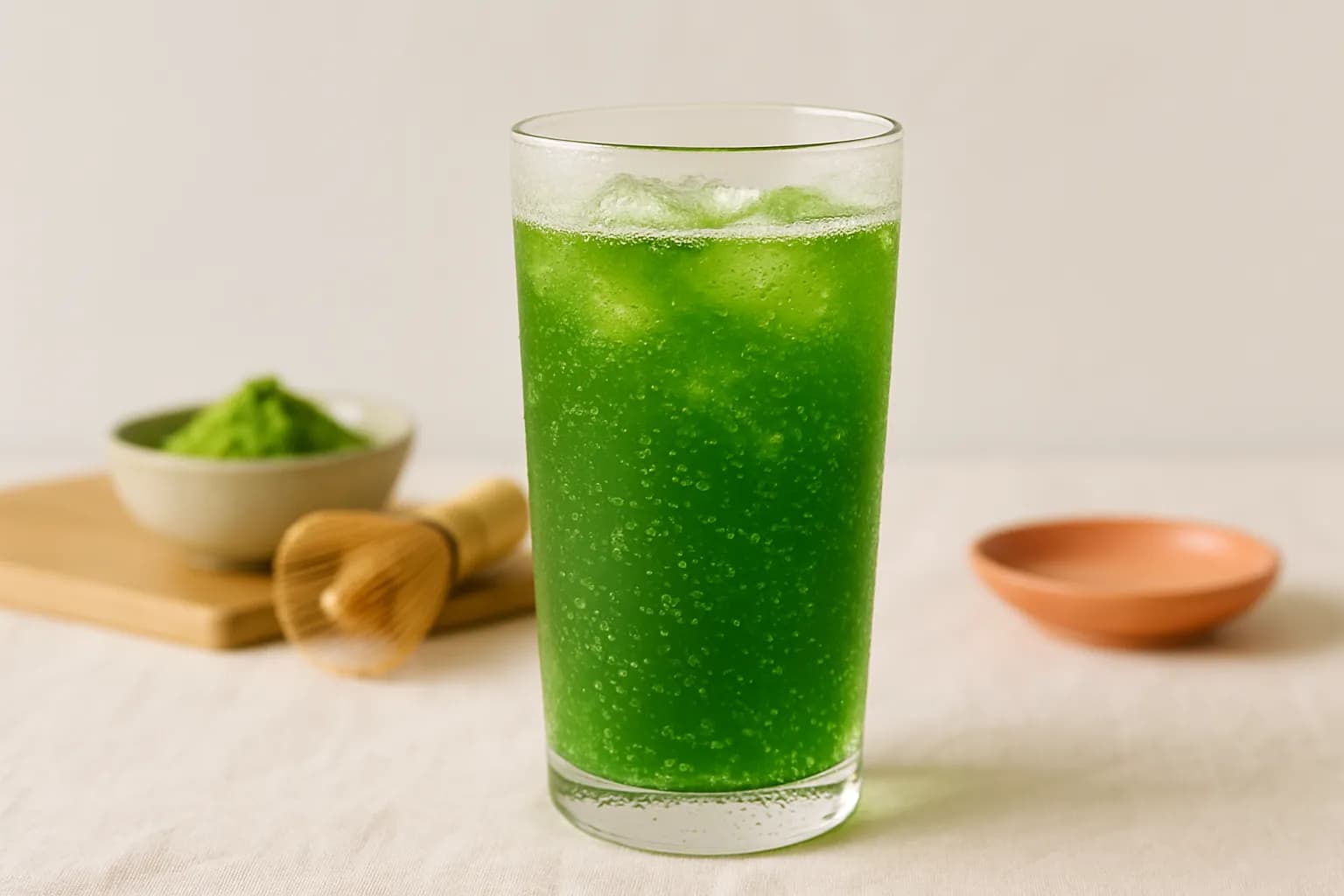
What Is Matcha Sparkling Water?
Matcha sparkling water is carbonated water infused with real matcha green tea powder. It combines the clean caffeine and L-theanine from matcha with the refreshing fizz of sparkling water, creating a bubbly alternative to traditional matcha lattes or energy drinks.
Unlike sweetened sodas or artificially flavored seltzers, matcha sparkling water delivers functional benefits. You get 60-80mg of natural caffeine per serving, along with antioxidants and amino acids that support calm, sustained energy without the jitters or crash.
The drink has gained traction in the wellness space because it checks multiple boxes: hydrating, energizing, and convenient. No whisking required, no matcha clumps, no preparation time.
How Does Matcha Sparkling Water Compare to Regular Matcha?
Traditional matcha involves whisking matcha powder with hot water to create a frothy, concentrated tea. Matcha sparkling water takes that same shade-grown green tea and suspends it in cold, carbonated water for a lighter, more refreshing experience.
The caffeine content is comparable. A typical serving of whisked matcha contains 70mg of caffeine, while matcha sparkling water ranges from 60-80mg depending on the brand. Both deliver L-theanine, the amino acid responsible for matcha's signature calm focus effect.
The main difference is convenience and taste profile. Sparkling matcha water is grab-and-go ready, while traditional matcha requires tools and technique. The carbonation also adds a crisp, palate-cleansing quality that balances matcha's natural vegetal notes.
What Are the Benefits of Drinking Matcha Sparkling Water?
Matcha sparkling water delivers the same core benefits as traditional matcha, packaged in a more accessible format. Here's what you're getting with each sip:
Clean, Sustained Energy
The caffeine in matcha releases slowly thanks to L-theanine, which modulates how your body absorbs caffeine. This means you experience 4-6 hours of steady alertness rather than a sharp spike and crash. Research shows this combination improves cognitive performance while reducing anxiety compared to coffee alone.
Antioxidant Support
Matcha contains high concentrations of EGCG (epigallocatechin gallate), a catechin with powerful antioxidant properties. One serving provides significantly more antioxidants than regular brewed green tea because you consume the whole leaf, not just the steeped water.
Hydration with Function
Unlike coffee or traditional energy drinks that can be dehydrating, matcha sparkling water contributes to your daily fluid intake. The carbonation can also help with satiety, making it a smart choice between meals.
Zero Sugar, Real Ingredients
Quality matcha sparkling water brands skip artificial sweeteners and added sugars. You get natural flavor from real fruit or botanical extracts paired with authentic matcha—not green tea extract or synthetic caffeine.
Who Should Drink Matcha Sparkling Water?
Matcha sparkling water fits into several lifestyle profiles. You might love it if you're a coffee drinker looking for afternoon energy without disrupting sleep. The lower caffeine content and L-theanine profile make it gentler on your system after 2pm.
It's ideal for anyone who wants the benefits of matcha without the preparation ritual. Busy mornings, gym bags, desk drawers—matcha sparkling water goes wherever you need portable energy.
People who are sensitive to coffee's acidity or find traditional matcha's earthy flavor too intense often prefer the lighter, effervescent version. The carbonation and fruit flavoring make matcha more approachable while maintaining its functional benefits.
How to Choose Quality Matcha Sparkling Water
Not all matcha sparkling water is created equal. Here's what separates premium options from watered-down versions:
Check for Real Matcha
The ingredient list should say "matcha powder" or "matcha green tea," not "green tea extract" or "natural caffeine." Real matcha means you get the full spectrum of antioxidants, amino acids, and phytonutrients—not synthetic caffeine with green coloring.
Verify Caffeine Content
Look for products with 60-80mg of caffeine per can. This range matches traditional matcha servings and provides meaningful energy without overdoing it. If caffeine content isn't listed, that's a red flag.
Read the Sugar Label
Zero-sugar or naturally sweetened options let matcha's benefits shine without blood sugar spikes. Avoid products with 15g+ of added sugar—you're basically drinking soda with a matcha label at that point.
Consider Sourcing
Premium matcha comes from Japan, particularly the Uji region of Kyoto. Brands that specify their matcha source and processing methods typically deliver better quality and taste.
What Does Matcha Sparkling Water Taste Like?
Matcha sparkling water balances earthy, slightly sweet vegetal notes from the matcha with bright carbonation. The bubbles lift and lighten matcha's natural grassiness, creating a refreshing rather than heavy drinking experience.
Most brands add subtle fruit flavoring to complement matcha's profile. Citrus (lemon, yuzu) cuts through the earthiness with brightness. Berry flavors (strawberry, raspberry) add gentle sweetness without sugar. Tropical options (mango, passionfruit) create a more indulgent, dessert-like experience while keeping calories minimal.
If you've tried kombucha or drinking vinegars, the experience is similar—functional, slightly complex, more sophisticated than regular seltzer but not as intense as straight matcha.
When Should You Drink Matcha Sparkling Water?
Matcha sparkling water works best during these windows:
- Mid-morning (9-11am): After breakfast when you need sustained focus for deep work or meetings. The L-theanine helps with concentration without coffee's jitters.
- Pre-workout (30-45 minutes before): The caffeine boosts performance while antioxidants support recovery. The carbonation is light enough that it won't upset your stomach during exercise.
- Afternoon slump (2-4pm): When you need a pick-me-up but don't want to compromise evening sleep. 80mg of caffeine provides lift without the 6-8 hour half-life of a large coffee.
- Social settings: As a sophisticated non-alcoholic option that's more interesting than plain seltzer but still wellness-focused.
Avoid drinking matcha sparkling water after 5pm if you're caffeine-sensitive. Even with L-theanine's calming effects, 80mg of caffeine can interfere with sleep quality when consumed too late.
Can You Make Matcha Sparkling Water at Home?
You can create a homemade version, but it requires some trial and error. Start by whisking 1-2 teaspoons of ceremonial-grade matcha with 2-3 ounces of room temperature water until smooth and frothy. Let it cool to room temperature, then slowly pour over ice and top with 8-10 ounces of plain sparkling water.
The challenge is achieving smooth suspension. Matcha wants to clump when it hits cold carbonation, so you need to create a concentrated paste first and add bubbles last. Even then, you'll get some settling that requires occasional stirring.
Flavoring requires additional steps—muddling fresh fruit, making simple syrups, or adding extracts. The DIY route gives you control over ingredients, but it sacrifices the convenience that makes matcha sparkling water appealing in the first place.
Where to Find the Best Matcha Sparkling Water
Matcha sparkling water is becoming more available as the functional beverage category grows. You'll find options in natural grocery stores like Whole Foods and Sprouts, as well as conventional chains that have expanded their wellness drink sections.
Online ordering gives you access to specialty brands that prioritize quality ingredients and authentic matcha sourcing. This is particularly helpful if you live in areas where shelf space for emerging wellness drinks is limited.
AURI offers two sparkling matcha water flavors: Strawberry Flow and Mango Glow. Each contains 80mg of natural caffeine from real Japanese matcha, zero sugar, and clean ingredients designed for your mind, body, and glow. Both flavors deliver calm focus in a refreshing, grab-and-go format. Join the waitlist to be notified when AURI is launching soon.
Is Matcha Sparkling Water Worth the Hype?
Matcha sparkling water earns its place in the functional beverage space by solving a real problem: how to get clean energy in a convenient, enjoyable format. It's not a miracle drink, but it delivers on its core promise—sustained alertness, antioxidant support, and hydration without sugar or artificial ingredients.
The trend has staying power because it appeals to multiple consumer needs simultaneously. You're not choosing between taste and function, or between convenience and quality. The right matcha sparkling water gives you all four.
If you're tired of coffee crashes, skeptical of synthetic energy drinks, or looking for a more sophisticated seltzer experience, matcha sparkling water is worth trying. Start with one can during your typical afternoon slump and notice how the energy feels different—calmer, steadier, more sustainable.
Frequently Asked Questions
Does matcha sparkling water have caffeine?
Yes, matcha sparkling water typically contains 60-80mg of natural caffeine per serving, similar to a traditional cup of matcha tea. This caffeine is paired with L-theanine, an amino acid that promotes calm, sustained energy without jitters or crashes.
Is matcha sparkling water better than coffee?
Matcha sparkling water offers more sustained energy than coffee due to the L-theanine and caffeine combination, which creates 4-6 hours of steady alertness rather than a spike and crash. It's also less acidic, more hydrating, and contains higher levels of antioxidants than coffee.
Can I drink matcha sparkling water every day?
Yes, matcha sparkling water is safe for daily consumption for most people. With 60-80mg of caffeine per serving, you can enjoy 1-2 cans per day without exceeding recommended caffeine limits (400mg for healthy adults). Choose zero-sugar options for the healthiest daily habit.
What's the difference between matcha sparkling water and green tea seltzer?
Matcha sparkling water uses whole matcha powder (the entire ground tea leaf), while green tea seltzer typically uses brewed tea or green tea extract. Matcha provides significantly more antioxidants, caffeine, and L-theanine because you consume the complete leaf rather than just steeped water.
When is the best time to drink matcha sparkling water?
The best times are mid-morning (9-11am) for focus, 30-45 minutes pre-workout for performance, or during the afternoon slump (2-4pm) for sustained energy. Avoid drinking after 5pm if you're sensitive to caffeine, as it may interfere with sleep quality.
Related Articles
Ready to Try AURI Matcha?
Premium ceremonial-grade matcha from Uji, Kyoto.
Shop Now