
RTD Matcha: The Ready-to-Drink Green Tea Revolution
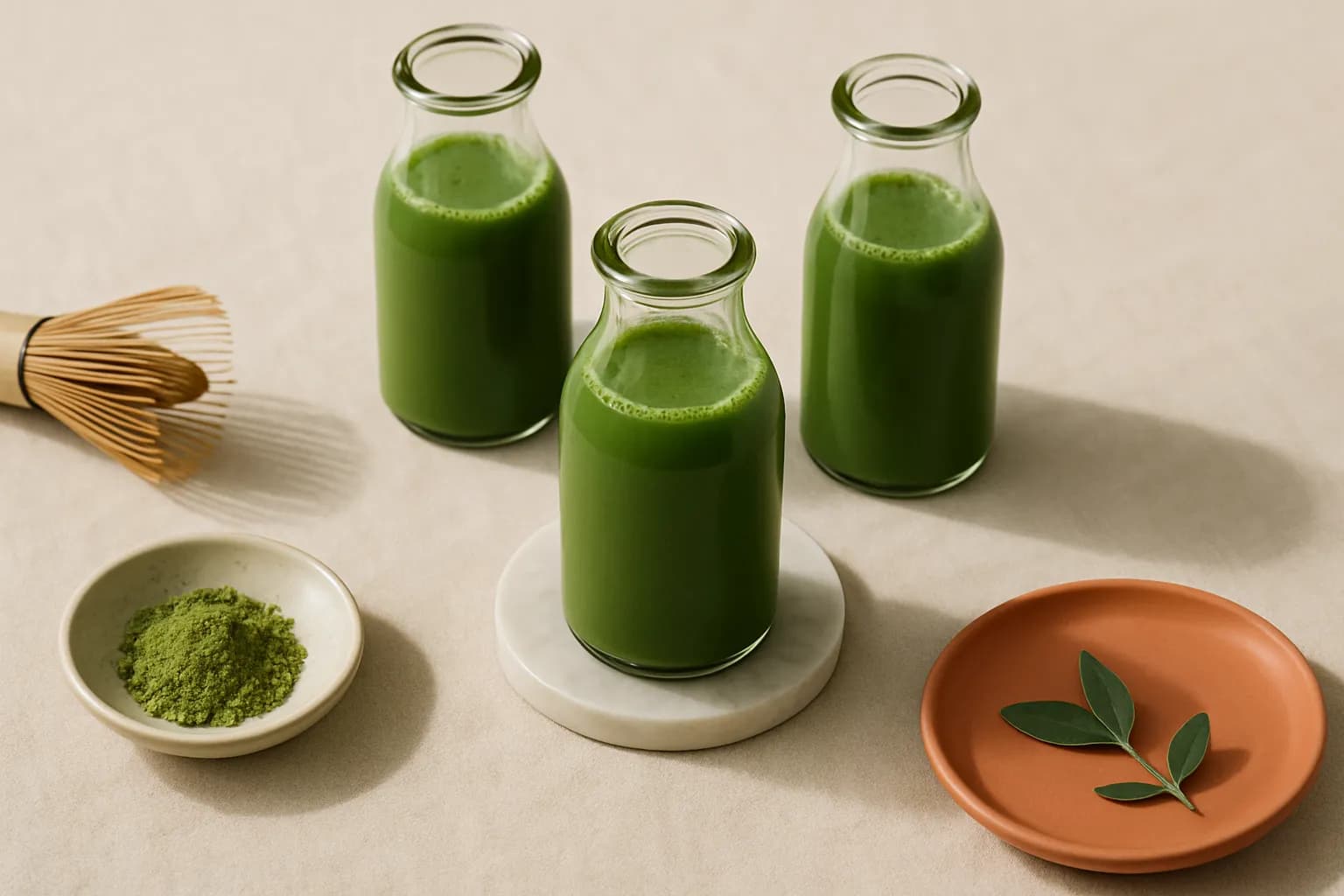
What Is RTD Matcha?
RTD matcha stands for "ready-to-drink matcha" — pre-made matcha beverages you can grab from the fridge and drink immediately. Unlike traditional matcha powder that requires whisking and preparation, RTD matcha comes in cans or bottles, fully prepared and ready to enjoy.
The category has exploded in recent years as people seek convenient ways to get matcha's benefits: 80-160mg of natural caffeine, L-theanine for calm focus, and powerful antioxidants called catechins (particularly EGCG). You get sustained energy without the jitters or crash associated with coffee or traditional energy drinks.
Why Choose Ready-to-Drink Matcha Over Powder?
Traditional matcha preparation requires specific tools (a bamboo whisk, bowl, and sifter), precise measurements, and technique to avoid clumps. RTD matcha eliminates all of that while delivering consistent quality every time.
The convenience factor matters. You can keep RTD matcha in your gym bag, desk drawer, or car without worrying about powder spills or finding hot water. It's matcha that fits into your actual life, not the Instagram-perfect version.
RTD formats also solve the taste barrier for matcha beginners. Many people find straight matcha too earthy or grassy. Ready-to-drink versions often blend matcha with complementary flavors like lemon, mango, or strawberry, making the unique taste more approachable without masking the matcha completely.
What Should You Look for in RTD Matcha Products?
Real matcha should be the first ingredient — not "matcha flavor" or "green tea extract." Check the label carefully. Some products use minimal matcha and load up on sweeteners to create a green-tinted sugar water.
Sugar content varies wildly across brands. Some RTD matcha drinks contain 20-30g of added sugar per serving, which negates many of matcha's health benefits. Look for options with zero or minimal added sugar that let the natural matcha flavor shine through.
Caffeine content matters for timing your intake. Quality RTD matcha typically contains 60-100mg of natural caffeine per serving — roughly equivalent to a cup of coffee but with L-theanine to smooth out the energy curve. Check the label to know what you're getting.
Quality Indicators to Check
- Real matcha powder listed in ingredients (not extract or flavoring)
- Transparent caffeine content clearly labeled
- Low or zero added sugar
- No artificial sweeteners, colors, or preservatives
- Clean ingredient list you can actually pronounce
- Proper storage instructions (most need refrigeration)
How Does RTD Matcha Compare to Other Drinks?
Against coffee, RTD matcha offers more stable energy. Coffee gives you a spike and crash due to caffeine alone. Matcha combines caffeine with L-theanine, an amino acid that promotes calm alertness without the jitters. This combination delivers 4-6 hours of sustained focus rather than a 90-minute surge followed by a slump.
Compared to regular green tea, matcha (and RTD matcha) provides significantly more antioxidants because you consume the entire ground leaf rather than just steeping and discarding it. You get up to 137 times more EGCG than regular brewed green tea.
Traditional energy drinks often rely on synthetic caffeine, high sugar content, and B-vitamins to create their effect. RTD matcha uses naturally occurring caffeine from the Camellia sinensis plant, paired with functional compounds that have been consumed safely for centuries.
When Is the Best Time to Drink RTD Matcha?
Morning is ideal for replacing your coffee ritual. RTD matcha provides comparable caffeine without the acidic stomach discomfort some people experience with coffee. You get clean energy that carries you smoothly into your day.
Mid-afternoon slumps are perfect RTD matcha moments. Instead of reaching for a second coffee (which can interfere with sleep) or a sugar-loaded snack, a ready-to-drink matcha gives you a gentle energy boost without keeping you wired at bedtime.
Pre-workout timing works well because matcha has been shown to increase fat oxidation during exercise. The caffeine provides workout energy, while the L-theanine keeps you focused on form and movement quality rather than feeling anxious or scattered.
Does RTD Matcha Need to Be Refrigerated?
Most RTD matcha products require refrigeration after opening, and many are sold refrigerated. Check the label for specific storage instructions, as formulation affects shelf stability.
Unopened shelf-stable versions may last months at room temperature, but once opened, consume within 24-48 hours and keep cold. Matcha's delicate compounds degrade with heat and light exposure, so proper storage preserves both flavor and nutritional benefits.
Is RTD Matcha Actually Healthy?
When made with real matcha and minimal additives, yes. You get the same core benefits as traditional matcha: natural caffeine, L-theanine, EGCG antioxidants, and chlorophyll. The health profile depends entirely on the specific product formulation.
The concern comes with added sugars, artificial ingredients, and low actual matcha content. A drink labeled "matcha" that contains 25g of sugar and lists matcha as the fifth ingredient is fundamentally different from one made with real matcha, zero sugar, and clean ingredients.
Read labels like you would for any packaged food. If you wouldn't drink that amount of sugar in water, don't let the matcha label convince you it's healthy. Quality RTD matcha keeps ingredients simple and matcha prominent.
Where Can You Buy RTD Matcha?
Grocery stores increasingly stock RTD matcha in the refrigerated beverage section near kombucha and cold-pressed juices. Whole Foods, Sprouts, and natural food stores typically have the widest selection.
Online ordering offers more variety and often better prices, especially when buying by the case. Many brands sell directly through their websites with subscription options that reduce per-unit cost.
Convenience stores and gas stations are starting to carry RTD matcha as the category grows, though selection tends to be limited to larger commercial brands rather than premium options.
AURI Matcha Water: RTD Matcha Reimagined
AURI takes a different approach to ready-to-drink matcha. Instead of juice-based or sweetened formulations, AURI creates matcha water — real Japanese matcha blended into pure water with zero sugar and 80mg of natural caffeine per can.
Four flavors make matcha accessible without overwhelming it: Lemon Lift and Matcha Mood in still formats, Strawberry Flow and Mango Glow as sparkling options. Each 12 oz can delivers clean energy and calm focus without artificial anything.
AURI is launching soon. Join the waitlist at drinkauri.com to be first to try matcha water that's actually made for your mind, body, and glow.
How Much Does RTD Matcha Cost?
Pricing ranges from $2.50 to $5.00 per can or bottle, depending on quality, brand positioning, and where you purchase. Premium RTD matcha with real ingredients and zero sugar typically falls at the higher end of that range.
Compare that to coffee shop matcha lattes at $6-8, and RTD matcha becomes cost-competitive while offering better ingredient transparency. You know exactly what you're getting rather than relying on how a barista prepares it.
Buying cases online usually reduces per-unit cost by 15-25%. Subscription services from brands offer additional savings, often bringing premium RTD matcha down to $2.50-3.50 per serving.
Can You Make Your Own RTD Matcha at Home?
Absolutely. Whisk 1-2 teaspoons of ceremonial grade matcha with 2 oz of hot water until smooth, then add cold water or milk and ice. Pour into a sealed bottle and refrigerate.
Homemade RTD matcha works well if you're particular about ingredients or want to control sweetness levels. However, matcha oxidizes once prepared, so drink within 24 hours for optimal flavor and nutrition.
The downside is time and consistency. Making your own requires keeping matcha powder fresh, having the right tools, and preparing it properly each time. For many people, the convenience of quality commercial RTD matcha justifies the cost difference.
Frequently Asked Questions
What does RTD matcha mean?
RTD matcha stands for 'ready-to-drink matcha' — pre-made matcha beverages in cans or bottles that require no preparation. Unlike traditional matcha powder that needs whisking, RTD matcha is ready to drink straight from the container.
Is RTD matcha as healthy as traditional matcha powder?
Quality RTD matcha made with real matcha powder and minimal additives offers the same core benefits as traditional matcha: natural caffeine, L-theanine, and antioxidants. However, products with high sugar content or minimal actual matcha provide fewer benefits. Always check the ingredient list to ensure real matcha is prominently featured.
How much caffeine is in RTD matcha?
Most RTD matcha contains 60-100mg of natural caffeine per serving, comparable to a cup of coffee. The exact amount varies by brand and formulation. Quality products clearly label caffeine content on the packaging.
Does RTD matcha need to be refrigerated?
Most RTD matcha products require refrigeration, especially after opening. Some shelf-stable versions can be stored at room temperature when unopened, but should be refrigerated after opening and consumed within 24-48 hours. Always check the product label for specific storage instructions.
How long does RTD matcha last once opened?
Once opened, RTD matcha should be consumed within 24-48 hours and kept refrigerated. Matcha's delicate compounds degrade with exposure to heat, light, and air, affecting both flavor and nutritional benefits. Unopened shelf-stable products may last several months when stored properly.
Related Articles
Ready to Try AURI Matcha?
Premium ceremonial-grade matcha from Uji, Kyoto.
Shop Now