
Zero Sugar Matcha: Everything You Need to Know
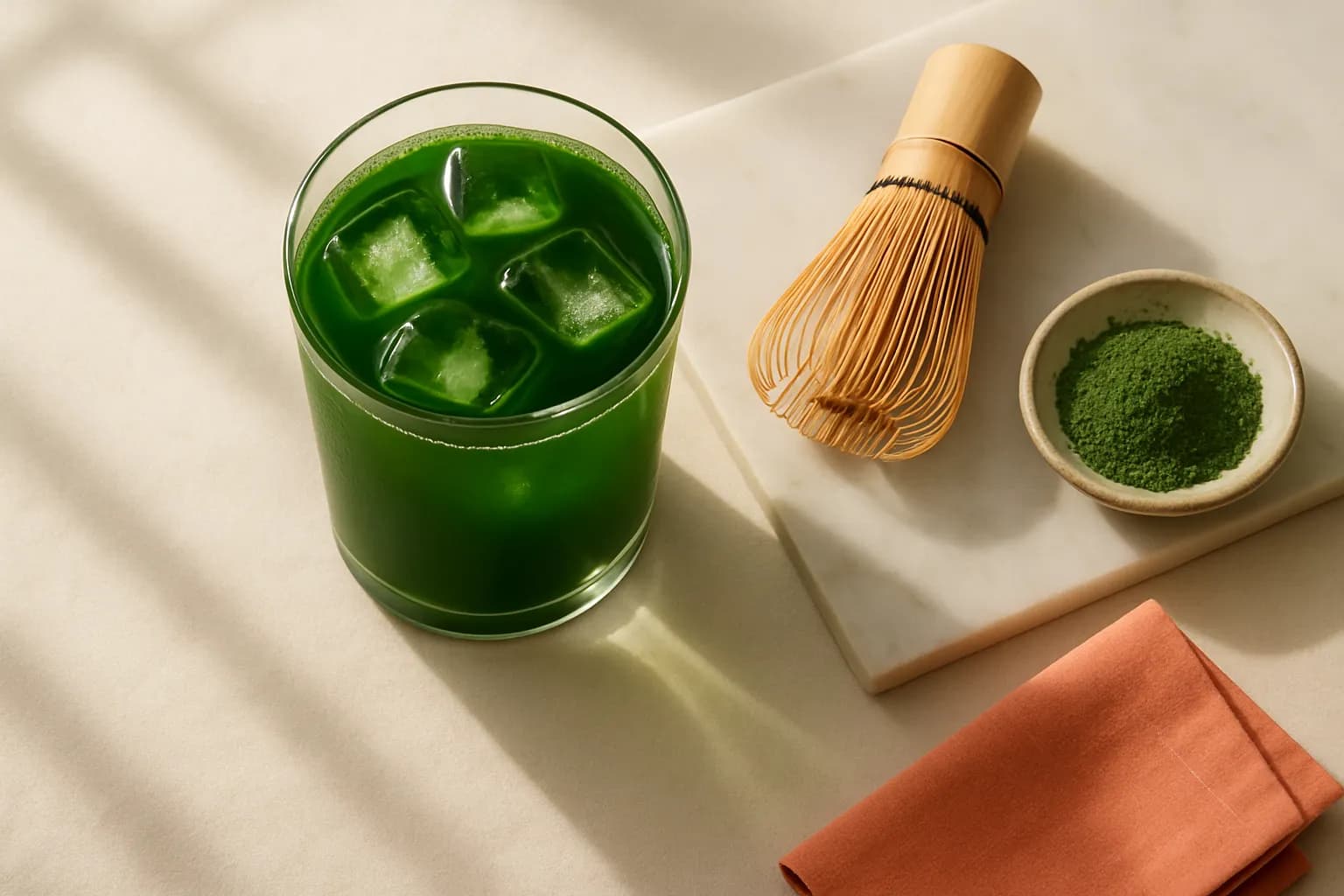
What Is Zero Sugar Matcha?
Zero sugar matcha is matcha green tea that contains no added sugars or sweeteners. Traditional matcha powder itself has zero sugar, but most matcha lattes, bottled drinks, and premixed products add significant amounts of sugar or artificial sweeteners.
Pure matcha powder contains less than 1 gram of naturally occurring sugar per serving. When you choose zero sugar matcha products, you get all the L-theanine, EGCG antioxidants, and natural caffeine without the blood sugar spike or afternoon crash that comes with sweetened versions.
The challenge is that matcha has a naturally grassy, slightly bitter taste. Many brands mask this with sugar, which can add 15-25 grams per serving in bottled matcha lattes. That's more sugar than a candy bar.
Why Choose Zero Sugar Matcha Over Sweetened Versions?
Your blood sugar stability matters more than you might think for sustained energy. When you drink sweetened matcha, the sugar hits your bloodstream fast, creating an initial spike followed by a crash that counteracts matcha's natural sustained-release energy benefits.
Zero sugar matcha lets the L-theanine and caffeine combination work as intended. You get 30-80mg of natural caffeine (depending on serving size) paired with L-theanine, an amino acid that promotes calm focus without jitters. This combination typically provides 4-6 hours of sustained energy.
Research shows that L-theanine can increase alpha brain wave activity, promoting a state of relaxed alertness. But when you add sugar to the equation, you're working against this benefit. The sugar crash competes with matcha's sustained energy curve.
The Hidden Sugar Problem in Matcha Products
Most bottled matcha drinks contain 15-30 grams of added sugar per serving. A 16 oz matcha latte from popular coffee chains can contain 28-32 grams of sugar, which equals roughly 7 teaspoons.
Even products marketed as "lightly sweetened" often contain 10-15 grams per serving. For context, the American Heart Association recommends no more than 25 grams of added sugar per day for women and 36 grams for men.
How to Find Quality Zero Sugar Matcha Products
Look for products where matcha is the first ingredient and the nutrition label shows 0g of sugar. Be aware that some brands use sugar alcohols or artificial sweeteners and still market as "zero sugar," which may cause digestive issues for sensitive individuals.
The best zero sugar matcha options include traditional matcha powder you mix yourself, unsweetened matcha water, or ready-to-drink products that use only real matcha and water.
Traditional Matcha Powder
Pure matcha powder is naturally zero sugar and gives you complete control over preparation. Ceremonial grade matcha offers the smoothest taste for drinking straight, while culinary grade works well for smoothies or recipes where other ingredients balance the flavor.
Quality indicators include vibrant green color (not yellowish or brown), fine texture, and origin from premium growing regions like Uji in Kyoto, Japan. Expect to pay $20-40 for 30 grams of ceremonial grade matcha.
Matcha Water: The Convenient Zero Sugar Option
Matcha water is exactly what it sounds like: real matcha powder suspended in water, no sugar added. This category is newer but solves the biggest challenge with traditional matcha, which is preparation time and the bitter taste many people find off-putting when unsweetened.
Premium matcha water products use high-quality matcha and natural flavor essences to create a drinkable product without relying on sweeteners. You get 60-80mg of natural caffeine per bottle, the same L-theanine benefits, and the convenience of grab-and-go energy.
Does Zero Sugar Matcha Taste Good?
This is the real question. High-quality matcha has naturally sweet umami notes, but lower grades can taste harsh or overly grassy. Temperature matters too: traditional matcha whisked with water at 175°F tastes smoother than matcha steeped in boiling water.
If you're new to unsweetened matcha, your taste buds may need 1-2 weeks to adjust. Most people who regularly consume sweetened beverages find unsweetened options bitter at first, but taste preferences adapt quickly once you reduce overall sugar intake.
Natural flavor pairings help. Lemon brightens matcha's grassy notes, strawberry complements its umami qualities, and mango adds tropical smoothness without needing sugar. These flavor combinations work especially well in sparkling formats where carbonation adds dimension.
Zero Sugar Matcha Benefits You Can Actually Feel
The most noticeable benefit is sustained energy without the crash. Users typically report feeling alert and focused for 4-6 hours, compared to 2-3 hours with coffee and just 1-2 hours with sugary energy drinks.
You'll also avoid the afternoon energy slump that comes from blood sugar fluctuations. When you choose zero sugar options, your energy curve stays stable rather than spiking and crashing.
Antioxidant Content Stays Intact
Matcha contains 137 times more EGCG (epigallocatechin gallate) than regular brewed green tea. EGCG is a powerful antioxidant linked to metabolism support, skin health, and cellular protection.
Sugar doesn't directly destroy antioxidants, but it does trigger inflammatory responses in your body that work against the anti-inflammatory benefits of matcha's antioxidants. Going zero sugar lets you maximize the wellness benefits.
Better for Metabolic Health
Matcha naturally supports metabolism through EGCG and caffeine working together. Studies suggest this combination can increase thermogenesis (calorie burning) by 8-10% when consumed regularly.
Adding sugar to matcha counteracts these metabolic benefits by triggering insulin responses and promoting fat storage. Zero sugar matcha supports your metabolic health instead of undermining it.
How to Make Zero Sugar Matcha at Home
Start with 1-2 grams (about 1/2 teaspoon) of ceremonial grade matcha powder. Sift it into a bowl to prevent clumps, add 2 ounces of hot water (175°F, not boiling), and whisk in a W or M pattern until frothy, about 20-30 seconds.
You can drink it as a shot or add more hot water for a larger serving. For iced versions, whisk with a small amount of room temperature water first, then pour over ice and add cold water or unsweetened milk alternatives.
Flavor Additions That Don't Add Sugar
Try these zero sugar flavor boosters:
- Fresh lemon or lime juice (brightens flavor, adds vitamin C)
- Unsweetened vanilla almond or oat milk (adds creaminess)
- Fresh mint leaves (cooling and refreshing)
- Cinnamon or cardamom (warming spices that add natural sweetness perception)
- Sparkling water for homemade matcha soda (adds texture without calories)
Ready-to-Drink Zero Sugar Matcha: What to Look For
Convenience matters, especially on busy mornings or when you need energy between meetings. Ready-to-drink options should list real matcha as the first or second ingredient and show 0g sugar on the nutrition panel.
Check the caffeine content: quality products typically contain 60-80mg per 12 oz serving, similar to a cup of coffee but with the added benefit of L-theanine for smooth, sustained energy.
AURI Matcha Water delivers exactly this: 80mg of natural caffeine from real matcha, zero sugar, and real matcha in every bottle. Four flavors (Lemon Lift, Matcha Mood, Strawberry Flow, and Mango Glow) offer variety without compromising on the zero sugar commitment. The still and sparkling options mean you can choose your preferred texture, and the 12 oz format fits perfectly in your bag or cupholder. AURI is launching soon, and you can join the waitlist to be first to try it.
Who Should Drink Zero Sugar Matcha?
Zero sugar matcha works well if you're watching your sugar intake, managing blood sugar levels, or simply want clean energy without unnecessary additives. It's particularly beneficial for people who experience sugar crashes or want to reduce overall sugar consumption without giving up their daily energy ritual.
Athletes and active individuals benefit from the sustained energy and antioxidant support. The L-theanine can help with pre-workout calm focus, while the caffeine supports performance without the jitters that higher-dose pre-workouts often cause.
If you're pregnant or nursing, matcha's caffeine content (typically 30-80mg per serving) is generally considered safe in moderation, but always check with your healthcare provider. The zero sugar aspect is a bonus since many pregnant women watch their sugar intake carefully.
Common Mistakes When Switching to Zero Sugar Matcha
The biggest mistake is buying low-quality matcha powder and expecting it to taste good unsweetened. Brown-tinged or dull green matcha will taste bitter and harsh no matter how you prepare it. Invest in ceremonial grade from a reputable source for the best unsweetened experience.
Second mistake: using boiling water. Temperatures above 180°F make matcha taste more bitter. Aim for 160-175°F for the smoothest flavor.
Third mistake: giving up too soon. Your taste buds adapt to less sugar within 1-2 weeks. What tastes bitter on day one often tastes perfectly balanced by week two.
Zero Sugar Matcha vs. Other Energy Options
Compared to black coffee, zero sugar matcha provides similar caffeine (60-80mg vs. 95mg) with added L-theanine for calm focus and higher antioxidant content. The energy curve is smoother and lasts longer.
Compared to traditional brewed green tea, matcha contains the entire leaf ground into powder, delivering more antioxidants, more caffeine, and more nutrients. One serving of matcha equals approximately 10 cups of brewed green tea in antioxidant content.
Compared to energy drinks, zero sugar matcha offers natural caffeine without artificial ingredients, excessive B vitamins, or synthetic caffeine. The energy feels cleaner and more sustainable without the harsh crash.
Frequently Asked Questions
Does zero sugar matcha still have caffeine?
Yes, zero sugar matcha contains the same amount of natural caffeine as regular matcha, typically 30-80mg per serving depending on the amount of matcha powder used. The caffeine comes from the tea leaves themselves, not from added ingredients. Zero sugar refers only to sweeteners, not caffeine content.
Why does matcha taste bitter without sugar?
Lower quality matcha or matcha prepared with water that's too hot will taste more bitter. High-quality ceremonial grade matcha has naturally sweet umami notes and shouldn't taste overly bitter when prepared correctly with water at 160-175°F. Your taste buds also need 1-2 weeks to adjust if you're used to sweetened beverages.
Is zero sugar matcha good for weight loss?
Zero sugar matcha can support weight management as part of a healthy diet. It contains EGCG and caffeine, which may increase metabolism by 8-10%. More importantly, choosing zero sugar options eliminates 60-120 empty calories per serving that you'd get from sweetened matcha drinks, and the sustained energy helps reduce cravings.
Can I add milk to zero sugar matcha?
Yes, you can add unsweetened milk or milk alternatives to zero sugar matcha. Choose unsweetened versions of almond, oat, or coconut milk to keep it sugar-free. Be aware that dairy milk contains natural lactose sugars (about 12g per cup), but unsweetened plant milks typically contain 0-1g of sugar.
How much zero sugar matcha can I drink per day?
Most people can safely consume 1-3 servings of zero sugar matcha daily, which provides 60-240mg of caffeine. The FDA recommends limiting caffeine to 400mg per day for healthy adults. Since matcha contains L-theanine that promotes calm focus, many people tolerate it better than equivalent amounts of coffee without jitters or anxiety.
Related Articles
Ready to Try AURI Matcha?
Premium ceremonial-grade matcha from Uji, Kyoto.
Shop Now