
Best Matcha Drinks: 12 Options for Clean Energy in 2026
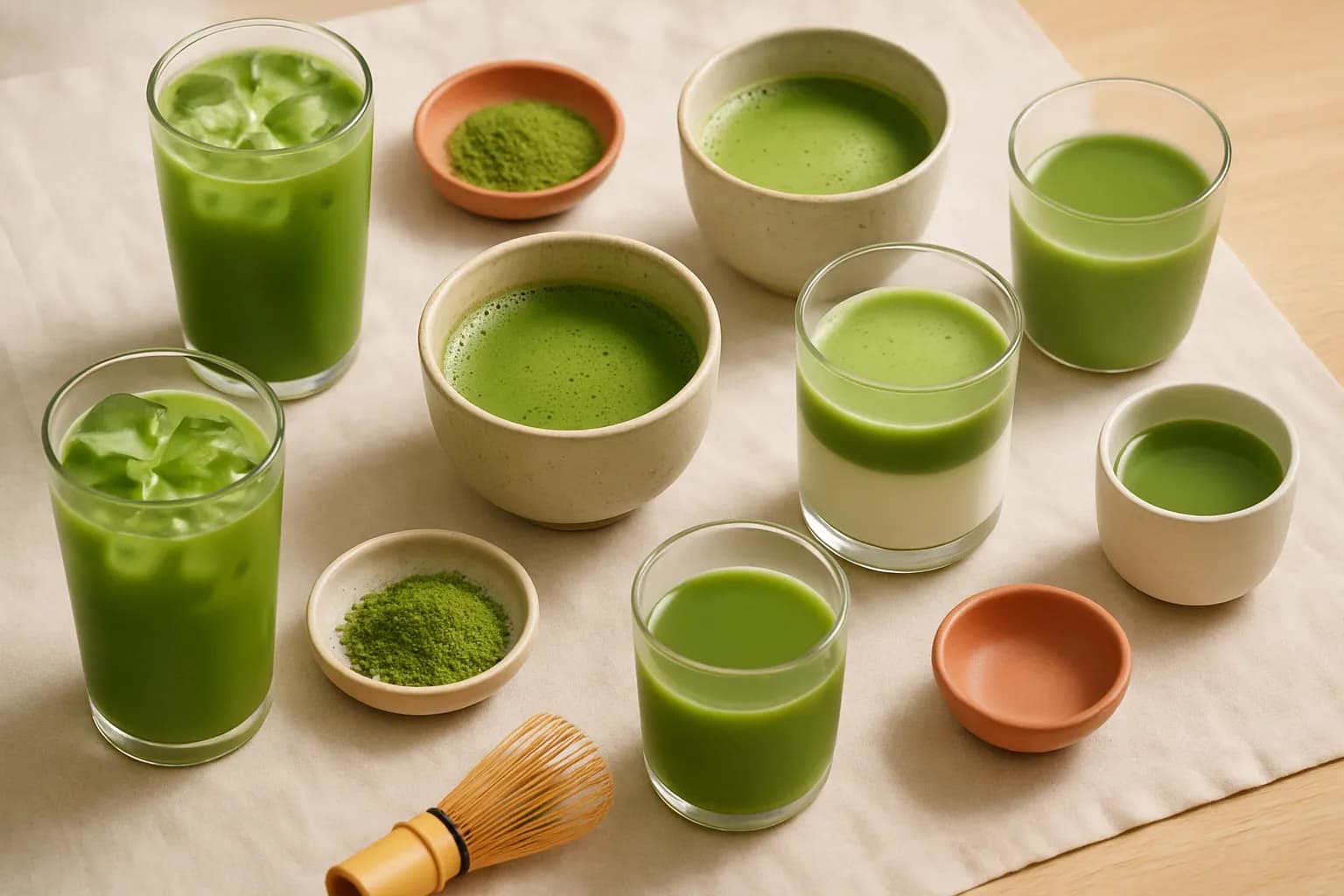
What Makes a Matcha Drink "Good"?
The best matcha drinks balance three essential qualities: real matcha content, minimal added sugar, and sustainable energy delivery. You want a drink that gives you 60-80mg of natural caffeine paired with L-theanine for calm focus, not a sugar bomb masquerading as wellness.
Quality matcha drinks use ceremonial or premium culinary-grade matcha from Japan, ideally from regions like Uji in Kyoto. The vibrant green color should come from chlorophyll in shade-grown leaves, not artificial dyes. And the ingredient list should be short: matcha, water, and maybe a natural sweetener or flavor.
Unlike coffee or traditional energy drinks, matcha provides 4-6 hours of sustained energy without the jitters or afternoon crash. This happens because L-theanine slows caffeine absorption, creating that signature "calm alertness" matcha is famous for.
Best Traditional Matcha Drinks
Ceremonial Matcha (Whisked with Water)
The gold standard. Ceremonial-grade matcha whisked with hot water delivers pure, unadulterated matcha flavor. You get approximately 70mg of caffeine per serving plus maximum EGCG antioxidants since there's no dilution from milk or sweeteners.
Look for first-harvest Japanese matcha with a bright, grassy-sweet flavor profile. High-quality ceremonial matcha should never taste bitter or chalky. Brands like Ippodo, Encha, and Mizuba consistently deliver excellent options in the $28-40 per 30g range.
Matcha Latte
The gateway drink that converted millions to matcha. A proper matcha latte combines whisked matcha with steamed milk (dairy or plant-based) and optional sweetener. The milk mellows matcha's grassy notes while the fat content helps you absorb fat-soluble antioxidants.
For the best matcha latte at home, use culinary-grade matcha (save your ceremonial for straight shots), whole milk or oat milk for creaminess, and sweeten sparingly with honey or maple syrup. Cafe versions typically contain 50-70mg caffeine depending on how much matcha powder they use.
Iced Matcha
Cold water brings out matcha's sweeter notes and creates a refreshing alternative to iced coffee. Whisk matcha with a small amount of warm water first to dissolve the powder, then pour over ice and add cold water or milk.
The cold preparation preserves heat-sensitive antioxidants better than hot brewing, making iced matcha both delicious and nutritionally optimal for summer months.
Best Ready-to-Drink Matcha Options
Matcha Water
The newest category transforming how people consume matcha. Matcha water combines real matcha with purified water and natural flavors, creating a grab-and-go option that requires zero preparation. These drinks typically deliver 60-80mg of caffeine with zero or minimal sugar.
The format makes matcha accessible for people who don't have time to whisk or want a cleaner alternative to bottled lattes. AURI Matcha Water exemplifies this category with four flavors (Lemon Lift, Matcha Mood, Strawberry Flow, and Mango Glow) that contain 80mg natural caffeine and zero sugar in a convenient 12 oz format. The brand is launching soon with a waitlist available for early access.
Bottled Matcha Lattes
Convenient but check the sugar content carefully. Many commercial matcha lattes contain 15-25g of added sugar per bottle, negating matcha's health benefits. Brands like Ito En and Califia Farms offer lower-sugar versions with 8-12g per serving.
The best bottled matcha lattes use real matcha (not green tea extract), organic ingredients, and alternative sweeteners like monk fruit or stevia. Expect 50-100mg of caffeine depending on brand and size.
Matcha Energy Drinks
A growing segment that pairs matcha with adaptogens, vitamins, or additional caffeine sources. These work well for pre-workout energy or afternoon pick-me-ups, but read labels closely since some brands over-caffeinate (150mg+) or add unnecessary stimulants.
Look for options that let matcha's natural 70-80mg caffeine shine rather than masking it with synthetic additions.
Best Matcha Drinks by Situation
For Morning Energy: Ceremonial Matcha or Matcha Water
Start your day with pure matcha to maximize alertness without disrupting cortisol rhythms. The 70-80mg caffeine content provides enough energy to replace coffee while L-theanine keeps you focused through morning meetings.
Matcha water works perfectly for mornings when you're rushing out the door, while whisked ceremonial matcha suits slower, more intentional morning routines.
For Afternoon Focus: Iced Matcha Latte
The 2pm slump calls for something creamy and satisfying. An iced matcha latte provides moderate caffeine (50-70mg) that won't interfere with sleep if consumed before 3pm, plus the ritual of making it offers a mental break from screen time.
Use half the sweetener you think you need. Quality matcha has natural sweetness that shines through when you're not drowning it in sugar.
For Pre-Workout: Straight Matcha Shot
Concentrated matcha (2g powder in 2-4 oz water) gives you a quick 140mg caffeine boost plus antioxidants that may reduce exercise-induced oxidative stress. Consume 30-45 minutes before training for optimal absorption.
This delivers similar caffeine to a double espresso but with sustained release thanks to L-theanine, preventing the mid-workout crash some people experience with coffee.
For Social Settings: Flavored Matcha Drinks
Matcha mojitos, matcha margaritas, or fruit-infused matcha spritzers make sophisticated alcohol alternatives at brunches and gatherings. The vibrant green color creates Instagram-worthy moments while the mild caffeine keeps energy social and engaged.
Sparkling matcha drinks like matcha tonic (matcha with tonic water and lime) offer effervescence without alcohol.
What to Avoid in Matcha Drinks
Not all green drinks are created equal. Steer clear of products that list "green tea extract" instead of matcha powder, as these lack matcha's full nutritional profile and unique flavor. Artificial colors like Blue 1 and Yellow 5 indicate fake matcha.
Sugar content above 15g per serving turns your wellness drink into a dessert. Many coffee shop matcha lattes contain 30-40g of sugar, equivalent to a can of soda. Always ask for half-sweet or unsweetened versions when ordering out.
Matcha drinks with excessive additives, proprietary blends that hide ingredient amounts, or vague origin claims ("green tea powder from Asia") rarely deliver quality. The best matcha drinks are transparent about sourcing and ingredients.
How to Choose Your Best Matcha Drink
Your ideal matcha drink depends on your caffeine tolerance, taste preferences, and lifestyle. If you're new to matcha, start with a latte or flavored matcha water to acclimate to the grassy, umami flavor profile. These gentler introductions build appreciation before graduating to straight whisked matcha.
Consider your caffeine needs: 50-70mg for mild energy, 70-90mg for moderate focus, or 100mg+ for pre-workout intensity. Most matcha drinks fall in the 50-80mg range, making them ideal for people who find coffee too strong but green tea too weak.
Convenience matters. If you won't make time to whisk matcha daily, invest in quality ready-to-drink options rather than letting expensive ceremonial matcha expire in your pantry. The best matcha drink is the one you'll consistently consume.
Making the Switch to Matcha Drinks
Transitioning from coffee or energy drinks to matcha takes 3-5 days for your palate and body to adjust. You might miss coffee's bold, roasted flavor initially, but most people report preferring matcha's clean energy within a week.
Start by replacing one daily coffee with matcha, ideally your afternoon cup since this is when matcha's sustained energy shines compared to coffee's late-day jitters. Track your energy levels, focus quality, and sleep patterns to notice the difference.
The caffeine in matcha works differently than coffee, so give your body time to experience the L-theanine advantage. Many converts report better focus, fewer crashes, and improved sleep quality after making the switch.
Where Matcha Drinks Are Heading
The matcha drink market is evolving beyond lattes and traditional tea. Matcha water represents the fastest-growing segment, offering clean-ingredient formulations that appeal to health-conscious consumers seeking alternatives to sugary energy drinks.
Expect more functional matcha beverages combining matcha with adaptogens like ashwagandha, lion's mane, or cordyceps for targeted benefits. Sparkling matcha drinks are expanding as consumers seek healthier soda alternatives with functional benefits.
Sustainability and sourcing transparency are becoming non-negotiable. The best matcha brands now highlight their Japanese farm partnerships, organic certifications, and eco-friendly packaging as standard practice rather than marketing angles.
For a modern take on matcha that fits seamlessly into your routine, AURI's matcha water line delivers real matcha flavor with 80mg natural caffeine and zero sugar across four refreshing flavors. Join the waitlist to try it when it launches soon.
Frequently Asked Questions
What is the best matcha drink for beginners?
Matcha lattes or flavored matcha water are ideal for beginners. The milk in lattes mellows matcha's grassy flavor, while matcha water offers natural fruit flavors that make the taste more approachable. Both provide the energy and focus benefits without the intense umami flavor of straight ceremonial matcha.
How much caffeine is in the best matcha drinks?
Most quality matcha drinks contain 50-80mg of caffeine per serving. Ceremonial matcha whisked with water provides about 70mg, matcha lattes typically have 50-70mg, and matcha water products like AURI deliver 80mg. This is roughly half the caffeine of an 8oz coffee but with sustained release thanks to L-theanine.
Are bottled matcha drinks as healthy as homemade?
It depends on the brand. The best bottled matcha drinks use real matcha powder, minimal added sugar (under 10g), and clean ingredients. However, many commercial options contain 20-30g of sugar and use green tea extract instead of real matcha. Check labels carefully and choose products with matcha listed as the first ingredient.
Can I drink matcha every day?
Yes, daily matcha consumption is safe and beneficial for most people. The 70-80mg of caffeine in a typical matcha drink is moderate enough for daily use while providing consistent antioxidant benefits. Studies suggest 1-2 servings daily can support focus, metabolism, and overall wellness without negative side effects.
What's the difference between matcha water and matcha tea?
Matcha tea is traditionally whisked matcha powder with hot water, creating a frothy, concentrated drink. Matcha water is a ready-to-drink beverage that combines real matcha with purified water and natural flavors, served cold. Both contain real matcha and similar caffeine levels, but matcha water requires no preparation and often includes complementary flavors like lemon or strawberry.
Related Articles
Ready to Try AURI Matcha?
Premium ceremonial-grade matcha from Uji, Kyoto.
Shop Now