
Healthy Energy Drinks: What to Look for and What to Avoid
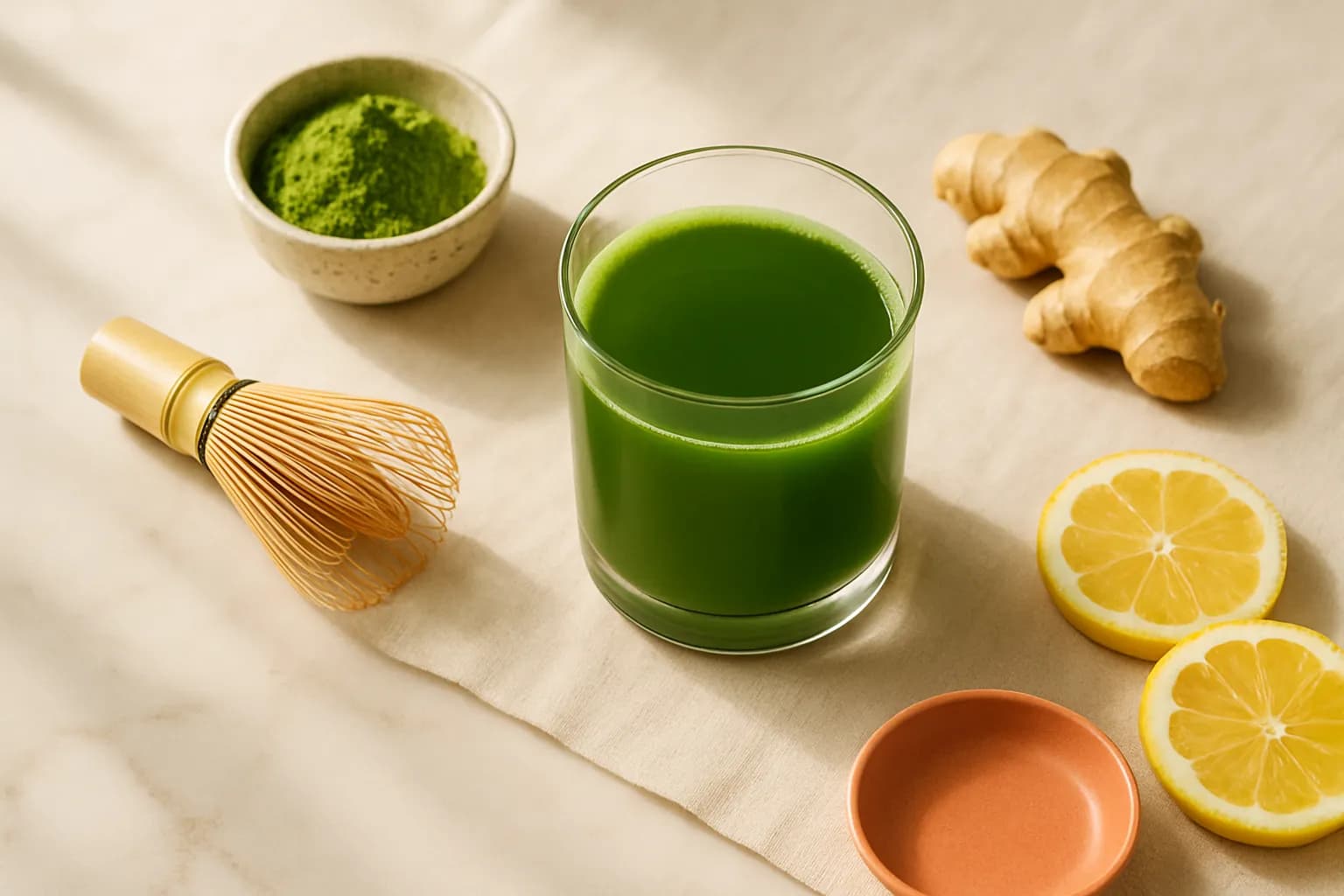
What Makes an Energy Drink Actually Healthy
The term "healthy energy drink" sounds like an oxymoron when you consider most energy drinks contain 160mg+ of synthetic caffeine, 50+ grams of sugar, and a laundry list of artificial ingredients. But the category is evolving.
A truly healthy energy drink should provide sustained energy without the crash, support your body with functional ingredients, and avoid the junk that causes inflammation and anxiety. That means looking at three key factors: caffeine source and amount, sugar content, and ingredient quality.
The best options contain 80-120mg of natural caffeine (equivalent to a cup of coffee), zero to minimal added sugar, and recognizable ingredients you could find in nature. Bonus points if they include adaptogens, antioxidants, or amino acids that support focus and recovery.
Why Natural Caffeine Sources Matter
Not all caffeine is created equal. Synthetic caffeine, derived from chemical processes, hits your system fast and hard. This rapid absorption is what causes the jittery feeling and inevitable crash that comes 2-3 hours later.
Natural caffeine from green tea, matcha, or guayusa releases more gradually and often comes paired with complementary compounds. Matcha, for example, contains L-theanine, an amino acid that promotes alpha brain wave activity. This creates calm, focused energy rather than anxious alertness.
Studies show that the L-theanine and caffeine combination improves attention accuracy by 5% and reaction time by 4% compared to caffeine alone. You get the energy boost without the downsides.
How Much Caffeine is Optimal
Most traditional energy drinks contain 160-300mg of caffeine per can. For reference, the FDA suggests 400mg per day as a safe upper limit for adults, but individual tolerance varies widely.
For sustained energy without overdoing it, aim for 80-120mg per serving. This amount provides noticeable alertness and focus while leaving room for your morning coffee or afternoon tea without exceeding healthy limits.
The Sugar Problem in Energy Drinks
Many energy drinks marketed as "natural" or "healthy" still contain 20-30 grams of sugar per can. That's 5-7 teaspoons of sugar, often from "clean" sources like cane sugar or agave, but your body processes it the same way.
High sugar content causes rapid blood glucose spikes followed by crashes. This creates a vicious cycle where you need another energy boost within 90 minutes. The American Heart Association recommends no more than 25 grams of added sugar per day for women and 36 grams for men, so one can can max out your daily allowance.
Look for options with 5 grams or less of sugar, ideally from natural fruit sources. Better yet, choose zero sugar options that use no artificial sweeteners or rely on stevia in minimal amounts.
Artificial Sweeteners to Watch For
Zero sugar doesn't always mean healthy. Many diet energy drinks replace sugar with artificial sweeteners like sucralose, aspartame, or acesulfame potassium. While FDA-approved, emerging research suggests these compounds may disrupt gut bacteria and alter glucose metabolism.
If you're choosing a zero sugar option, check the ingredient list. Stevia (in moderation) and monk fruit are plant-derived alternatives with better safety profiles, though some people find them overly sweet or bitter.
Red Flags in Ingredient Lists
Beyond caffeine and sugar, pay attention to what else is in the can. Several common energy drink ingredients offer questionable benefits at best and potential risks at worst.
Taurine appears in almost every conventional energy drink, typically at 1000mg per serving. While your body produces taurine naturally and it's found in meat and fish, the synthetic versions in energy drinks haven't shown clear benefits in healthy adults. Most of the "energy" you feel is from caffeine, not taurine.
B vitamins are added in mega-doses, sometimes 8000% of your daily value. Your body excretes excess water-soluble B vitamins, so you're literally flushing money down the drain. Worse, excessive B6 can cause nerve damage over time.
Artificial colors (Red 40, Yellow 5, Blue 1) and preservatives like sodium benzoate add nothing nutritionally. Some studies link synthetic dyes to hyperactivity in children, and sodium benzoate can form benzene (a carcinogen) when combined with vitamin C.
What Healthy Energy Drinks Should Contain
The best healthy energy drinks flip the script by using functional ingredients that support energy production at the cellular level rather than masking fatigue with stimulants.
Antioxidants from green tea, matcha, or fruit protect cells from oxidative stress caused by exercise, stress, and environmental toxins. EGCG (epigallocatechin gallate), the primary catechin in matcha, supports metabolism and has anti-inflammatory properties.
Adaptogens like ashwagandha, rhodiola, or cordyceps help your body manage stress more effectively. They don't provide immediate energy like caffeine but support sustained stamina and resilience over time.
Electrolytes (sodium, potassium, magnesium) support hydration and muscle function, especially important if you're drinking an energy beverage before or after exercise.
Real Food Ingredients Win
The cleanest energy drinks use ingredients you'd find in your kitchen: real fruit juice, coconut water, green tea, spices, herbs. If you can't pronounce half the ingredient list, that's a red flag.
Look for short ingredient lists (under 10 items) with recognizable whole foods. Transparency matters too, brands confident in their formulations list exact amounts rather than hiding behind "proprietary blends."
Popular Healthy Energy Drink Options Compared
The healthy energy drink category has exploded in recent years. Here's how popular options stack up.
Yerba mate drinks contain 80-150mg of natural caffeine from the South American holly plant. They often include added sugar (15-25g per can) and sometimes artificial sweeteners in zero sugar versions. The earthy, slightly bitter taste isn't for everyone.
Guayusa-based drinks offer 100-150mg of caffeine with a smoother flavor profile than yerba mate. Most contain 5-15g of sugar from organic cane or fruit. They provide clean energy but lack additional functional ingredients.
Green tea energy drinks vary wildly in quality. Many use green tea extract rather than brewed tea, missing out on beneficial compounds. Sugar content ranges from zero to 30+ grams, so read labels carefully.
Kombucha provides probiotics and organic acids but typically contains less than 15mg of caffeine, not enough for most people seeking an energy boost. The fermentation process creates trace alcohol (under 0.5% in commercial brands).
The Matcha Water Category
Matcha water represents a newer category that bridges the gap between energy drinks and functional beverages. Unlike matcha lattes loaded with milk and sweeteners, matcha water combines real matcha powder with water and minimal natural flavoring.
This approach delivers 80mg of natural caffeine plus L-theanine in each serving, creating focused energy without jitters. You also get the antioxidant benefits of whole leaf tea without the sugar or dairy typically added to matcha drinks.
AURI Matcha Water takes this concept further with zero sugar, real ceremonial-grade matcha from Uji, Japan, and four refreshing flavors (Lemon Lift, Matcha Mood, Strawberry Flow, and Mango Glow). It's launching soon—you can join the waitlist at drinkauri.com to be among the first to try it.
When to Drink Energy Drinks for Best Results
Timing matters as much as what you drink. Cortisol, your body's natural alertness hormone, peaks 30-45 minutes after waking. Drinking caffeine during this window fights against your body's rhythm and builds tolerance faster.
Wait 90-120 minutes after waking to have your energy drink. This aligns caffeine intake with your natural cortisol dip, extending alertness through mid-morning.
Avoid energy drinks after 2pm if you're sensitive to caffeine. With a half-life of 5-6 hours, caffeine consumed at 3pm is still 50% active at 9pm, potentially disrupting sleep quality.
Pre-Workout Energy Considerations
If you're using a healthy energy drink before exercise, consume it 30-45 minutes before your workout. This allows caffeine levels to peak right as you begin training, maximizing performance benefits.
Pair it with a small amount of easily digestible carbs (a banana or dates) if you're training hard. The combination of caffeine and glucose spares muscle glycogen and delays fatigue during endurance activities.
Making Your Own Healthy Energy Drinks
DIY energy drinks give you complete control over ingredients and cost less than commercial options. The downside is convenience, preparation time.
A basic recipe: Brew strong green tea or matcha (80-120mg caffeine), add fresh lemon juice, a pinch of sea salt for electrolytes, and optional stevia or honey to taste. Chill and serve over ice.
For a matcha version: Whisk 1 teaspoon matcha powder with 2 ounces of hot water until smooth, add 10 ounces of cold water or coconut water, squeeze of lime, and ice. This provides approximately 70mg of caffeine with L-theanine.
Add fresh ginger, mint, or fruit for natural flavor. A slice of fresh turmeric provides anti-inflammatory benefits. Experiment with ratios until you find your perfect blend.
The Bottom Line on Healthy Energy Drinks
A truly healthy energy drink should feel like it's working with your body, not against it. You want sustained focus and energy for 4-6 hours, not a 90-minute spike followed by exhaustion.
Prioritize options with natural caffeine sources (80-120mg), minimal or zero added sugar, clean ingredient lists with recognizable whole foods, and functional compounds like L-theanine or antioxidants that support the energy experience.
Read labels critically. Marketing terms like "natural," "organic," and "clean" aren't regulated and don't guarantee a product is healthy. Look at sugar content, caffeine source, and the full ingredient list to make informed choices.
Your energy levels reflect sleep quality, stress management, nutrition, and hydration more than any beverage can fix. Use healthy energy drinks as a tool, not a crutch. If you need 3+ per day to function, address the root cause rather than masking fatigue with caffeine.
Frequently Asked Questions
What is the healthiest energy drink you can buy?
The healthiest energy drinks contain 80-120mg of natural caffeine from sources like matcha or green tea, zero or minimal added sugar (under 5g), and clean ingredients without artificial colors or sweeteners. Look for options that include L-theanine for calm focus and antioxidants for cellular support. Matcha water beverages like AURI provide these benefits with real ceremonial-grade matcha and zero sugar.
Are energy drinks with natural caffeine better than synthetic caffeine?
Yes, natural caffeine from matcha, green tea, or guayusa releases more gradually and often comes with complementary compounds like L-theanine that reduce jitters and crashes. Synthetic caffeine absorbs rapidly, causing spikes in energy followed by crashes. Studies show natural caffeine sources paired with L-theanine improve focus and attention without the anxiety associated with synthetic caffeine.
How much sugar should a healthy energy drink have?
A healthy energy drink should contain 5 grams or less of added sugar, ideally from natural fruit sources. Many energy drinks contain 20-30 grams per can, which can max out your daily recommended sugar intake and cause blood glucose spikes and crashes. Zero sugar options are ideal, as long as they avoid artificial sweeteners like sucralose or aspartame.
What time of day is best to drink an energy drink?
Wait 90-120 minutes after waking to have an energy drink, as your cortisol levels naturally peak 30-45 minutes after waking. Drinking caffeine during this window builds tolerance faster. Avoid energy drinks after 2pm if you're caffeine-sensitive, since caffeine has a half-life of 5-6 hours and can disrupt sleep quality when consumed late in the day.
Can I drink healthy energy drinks every day?
You can drink healthy energy drinks daily if they contain moderate caffeine (80-120mg), zero added sugar, and clean ingredients. Stay within the FDA's recommended 400mg daily caffeine limit and pay attention to how your body responds. If you need multiple energy drinks per day to function, address underlying issues like poor sleep, stress, or inadequate nutrition rather than relying on caffeine.
Related Articles
Ready to Try AURI Matcha?
Premium ceremonial-grade matcha from Uji, Kyoto.
Shop Now