
The Complete Guide to Choosing Your Perfect Matcha Set
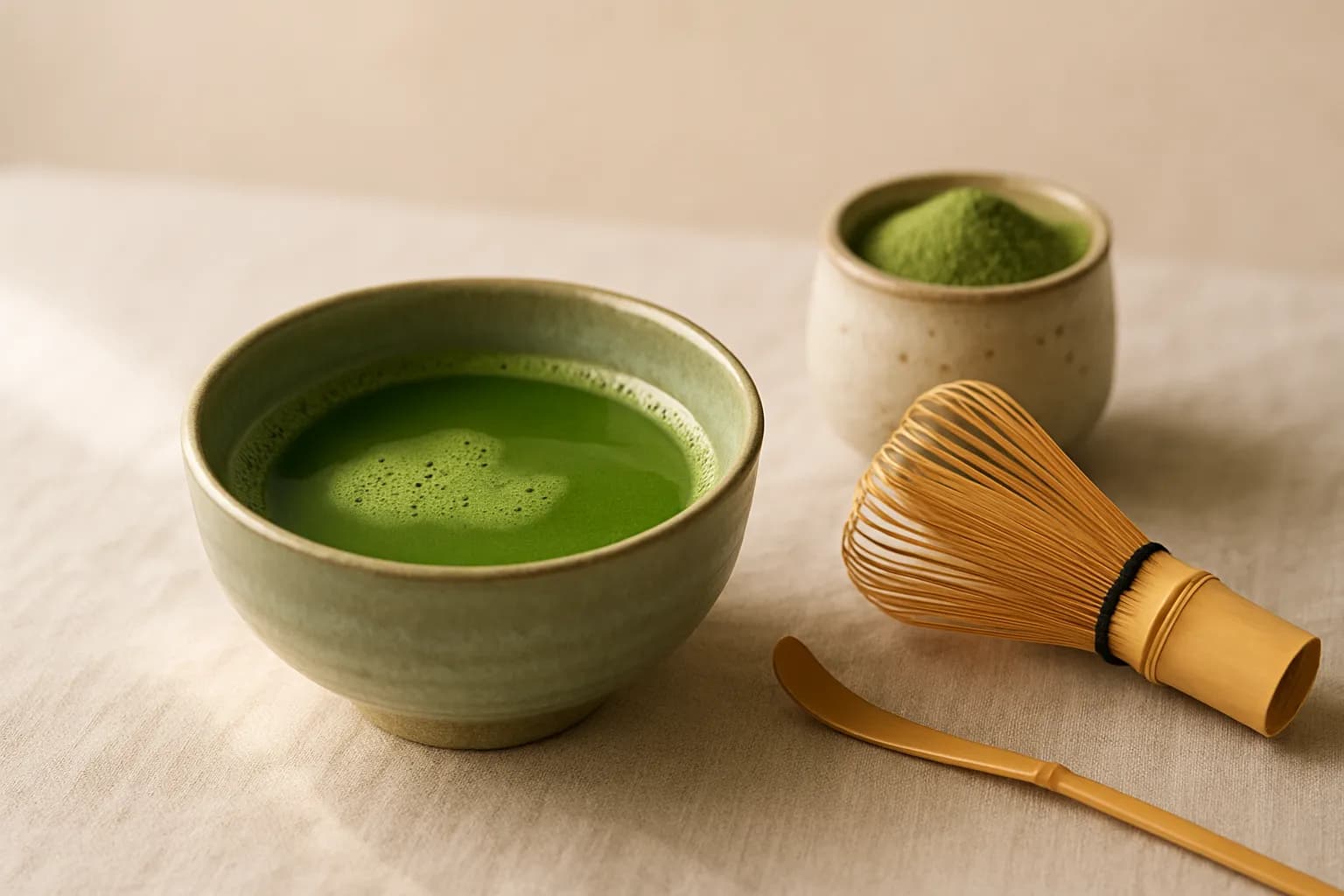
What Comes in a Traditional Matcha Set?
A traditional matcha set includes four essential tools: a bamboo whisk (chasen), a ceramic bowl (chawan), a bamboo scoop (chashaku), and a whisk holder (kusenaoshi). These tools have been used in Japanese tea ceremonies for centuries and remain the best way to prepare smooth, frothy matcha at home.
Each piece serves a specific purpose in the preparation process. The bamboo whisk creates the signature froth and prevents clumps, while the wide ceramic bowl gives you room to whisk properly. The bamboo scoop measures the perfect amount of matcha powder, and the whisk holder maintains your chasen's shape between uses.
Quality matcha sets range from $30 for basic starter kits to $200+ for handcrafted ceremonial-grade sets. The investment is worth it if you plan to drink matcha regularly, as proper tools make a noticeable difference in texture and taste.
How Do You Choose a Matcha Whisk?
The matcha whisk, or chasen, is the most important tool in your set. Traditional whisks are hand-carved from a single piece of bamboo and feature 80 to 120 delicate tines that break up matcha powder and create microfoam.
For beginners, an 80-tine whisk works well for both thin (usucha) and thick (koicha) matcha styles. If you're preparing matcha daily, look for a whisk with at least 100 tines for smoother, more consistent results. The golden bamboo (seasonal bamboo) variety is most durable and resistant to mold.
Expect to replace your whisk every 3 to 6 months with regular use. Signs you need a new one include broken tines, loosening bamboo strands, or mold spots that won't rinse clean. Never put your chasen in the dishwasher—the heat will cause the bamboo to split.
Whisk Care and Maintenance
Rinse your whisk with warm water immediately after each use. Gently massage the tines to remove any trapped matcha powder, then shake off excess water and place it on a whisk holder to air dry.
A whisk holder (kusenaoshi) isn't optional—it's essential for maintaining the circular shape of your chasen. Without it, the tines will splay outward and lose their effectiveness. The holder also prevents mildew by allowing air to circulate around the damp bamboo.
What Should You Look for in a Matcha Bowl?
The matcha bowl, or chawan, needs to be wide enough to whisk freely without splashing. Traditional bowls measure 4.5 to 5 inches in diameter and hold 12 to 16 ounces of liquid.
Ceramic is the standard material because it retains heat without becoming too hot to hold. Look for bowls with a slightly textured interior—the subtle ridges help incorporate the powder as you whisk. Smooth glazes can cause the whisk to slip, making it harder to create foam.
You don't need an expensive handmade Japanese bowl to make good matcha. Many quality ceramic bowls from other traditions work well, as long as they're the right size and shape. That said, authentic chawan often feature a small foot ring that makes them easier to grip and rotate while whisking.
Do You Really Need a Bamboo Scoop?
The bamboo scoop, or chashaku, measures approximately 1 gram of matcha powder per scoop. Traditional preparation uses 2 scoops (about 2 grams) for a standard serving of usucha-style matcha.
While you can substitute a teaspoon (roughly half a teaspoon equals one chashaku scoop), the bamboo scoop offers better control and connects you to the ritual of preparation. The curved shape fits perfectly into matcha tins and prevents you from compacting the powder, which keeps it light and easier to whisk.
Bamboo scoops cost between $5 and $20 and last for years with proper care. Rinse and dry after each use, and never leave it sitting in water. The natural bamboo will develop a patina over time—this is normal and doesn't affect function.
What's the Difference Between Starter Sets and Ceremonial Sets?
Starter matcha sets typically include the four basic tools and cost between $30 and $60. These sets use machine-processed bamboo whisks and factory-made ceramic bowls. They're perfect for beginners who want to try traditional preparation without a major investment.
Ceremonial-grade sets feature hand-carved whisks, artisan pottery bowls, and often include a silk cloth (chakin) for wiping the bowl and a tea caddy (natsume) for storing powder. These sets range from $100 to $300+ and are designed for serious matcha enthusiasts or those practicing traditional tea ceremony.
The main difference you'll notice is in the whisk quality. Hand-carved whisks have thinner, more flexible tines that create finer foam. The ceramic work on ceremonial bowls also tends to be more refined, with better heat retention and more comfortable ergonomics.
What About Modern Electric Frothers?
Electric milk frothers can create foam in matcha, but they don't incorporate the powder the same way a bamboo whisk does. You'll often end up with clumps at the bottom and large bubbles instead of the fine microfoam that characterizes well-prepared matcha.
If convenience is your priority, electric frothers work in a pinch. But the traditional whisking method takes less than 60 seconds and produces noticeably better texture. Most people who try both methods prefer the bamboo whisk once they get the technique down.
How Do You Prepare Matcha with Your New Set?
Start by warming your bowl with hot water, then discard the water and dry the bowl. Sift 2 scoops (about 2 grams) of matcha powder into the bowl to remove any clumps.
Add 2 to 3 ounces of hot water (160°F to 175°F—just below boiling). Hold the bowl steady with one hand and whisk rapidly in a zigzag or "M" pattern for 15 to 20 seconds. You're looking for a uniform layer of fine foam with no visible powder clumps.
The key is wrist action, not arm movement. Keep your elbow relatively still and let your wrist do the work. The whisk should move quickly through the liquid but shouldn't scrape or bang against the bowl bottom.
Common Mistakes to Avoid
Using boiling water is the most common error—it scorches the delicate matcha powder and creates bitter, astringent flavors. Always let your water cool for 1 to 2 minutes after boiling, or use a thermometer to hit the ideal 170°F range.
Not sifting your matcha leads to clumps that won't dissolve no matter how vigorously you whisk. A small fine-mesh sieve costs a few dollars and makes a dramatic difference in the final texture.
Whisking too slowly or in a circular motion won't incorporate enough air. The zigzag pattern creates the turbulence needed to form microfoam. Think quick, sharp movements rather than slow, smooth circles.
Can You Skip the Set and Use Alternatives?
You can make matcha without traditional tools, but the experience and results won't be the same. A regular whisk or fork will leave you with a gritty, under-mixed drink. A shaker bottle works better and can create some foam, though not the fine texture you get from a bamboo whisk.
If you want the benefits of matcha without the preparation ritual, ready-to-drink options have improved significantly. AURI Matcha Water combines real ceremonial-grade matcha with natural flavors in a convenient 12 oz format, delivering 80mg of natural caffeine without any mixing or tools required. You get the same L-theanine and antioxidants with zero sugar and no preparation time.
That said, the ritual of preparing matcha yourself is part of the appeal for many people. The mindful process of whisking creates a moment of calm in your day, and the ceremony adds value beyond just the drink itself.
Where Should You Buy Your Matcha Set?
Specialty tea retailers and Japanese import stores offer the best selection and quality. Online options like Ippodo, Kettl, and specialty tea shops on Amazon carry authentic sets with detailed product descriptions.
Avoid generic kitchen supply stores, as they often carry decorative sets that aren't designed for actual use. The whisks may have too few tines or be made from treated bamboo that splinters easily. The bowls might be too small or have high sides that make whisking difficult.
Look for sellers who provide details about tine count, bamboo type, and bowl dimensions. Authentic Japanese vendors often include care instructions and background information about the artisan or region where items were made.
What About Sets on Amazon?
Amazon carries both quality sets and cheap imitations. Check reviews carefully and look for sellers who specialize in Japanese tea products rather than general kitchen goods. Sets under $25 are usually too low quality to be worth buying.
Trustworthy indicators include detailed product photos showing tine count, measurements in both imperial and metric units, and customer photos in the review section. Be wary of listings with generic stock photos or vague descriptions like "traditional Japanese style" without specifics.
Is a Matcha Set Worth the Investment?
If you're drinking matcha 3 to 4 times per week or more, a quality set pays for itself within a few months compared to buying lattes at coffee shops. A $40 starter set and $30 worth of ceremonial-grade matcha powder gives you about 30 servings—equivalent to $150+ worth of café drinks.
The tools also improve the quality of your matcha significantly. Proper whisking creates better texture, reduces bitterness, and ensures you're getting the full antioxidant benefits from evenly dispersed powder. You'll taste the difference immediately when you compare a properly whisked matcha to one mixed with a spoon.
Beyond economics, many people find value in the ritual itself. The focused preparation process becomes a form of meditation that helps you start your day mindfully or take an intentional break during busy afternoons.
Whether you prefer the traditional preparation ritual or the grab-and-go convenience of ready-to-drink options, matcha delivers clean, sustained energy without the crash. The L-theanine in matcha promotes calm focus, while the natural caffeine and antioxidant EGCG support both mental clarity and physical wellness.
Frequently Asked Questions
What are the four essential pieces in a matcha set?
A traditional matcha set includes a bamboo whisk (chasen), ceramic bowl (chawan), bamboo scoop (chashaku), and whisk holder (kusenaoshi). These tools are designed specifically for preparing smooth, frothy matcha and have been used in Japanese tea ceremonies for centuries.
How long does a bamboo matcha whisk last?
A bamboo matcha whisk typically lasts 3 to 6 months with regular use. Replace your whisk when you notice broken tines, loosening bamboo strands, or mold that won't rinse clean. Proper care—rinsing after each use and storing on a whisk holder—extends its lifespan.
Can you use an electric frother instead of a bamboo whisk?
Electric frothers can create foam but don't incorporate matcha powder as effectively as a bamboo whisk. They often leave clumps at the bottom and produce large bubbles instead of fine microfoam. Traditional whisking takes less than 60 seconds and produces noticeably better texture.
How much should you spend on a beginner matcha set?
A quality starter matcha set costs between $30 and $60. This includes all four essential tools made with adequate quality for daily use. Avoid sets under $25, as they're usually too low quality. Ceremonial-grade sets range from $100 to $300+ for hand-carved tools and artisan pottery.
Do you need to sift matcha powder before whisking?
Yes, sifting matcha powder before whisking removes clumps that won't dissolve no matter how vigorously you whisk. Use a small fine-mesh sieve to sift the powder into your bowl. This simple step makes a dramatic difference in achieving smooth, lump-free matcha.
Related Articles
Ready to Try AURI Matcha?
Premium ceremonial-grade matcha from Uji, Kyoto.
Shop Now