
How to Make Iced Matcha (No Milk, Just Clean Energy)
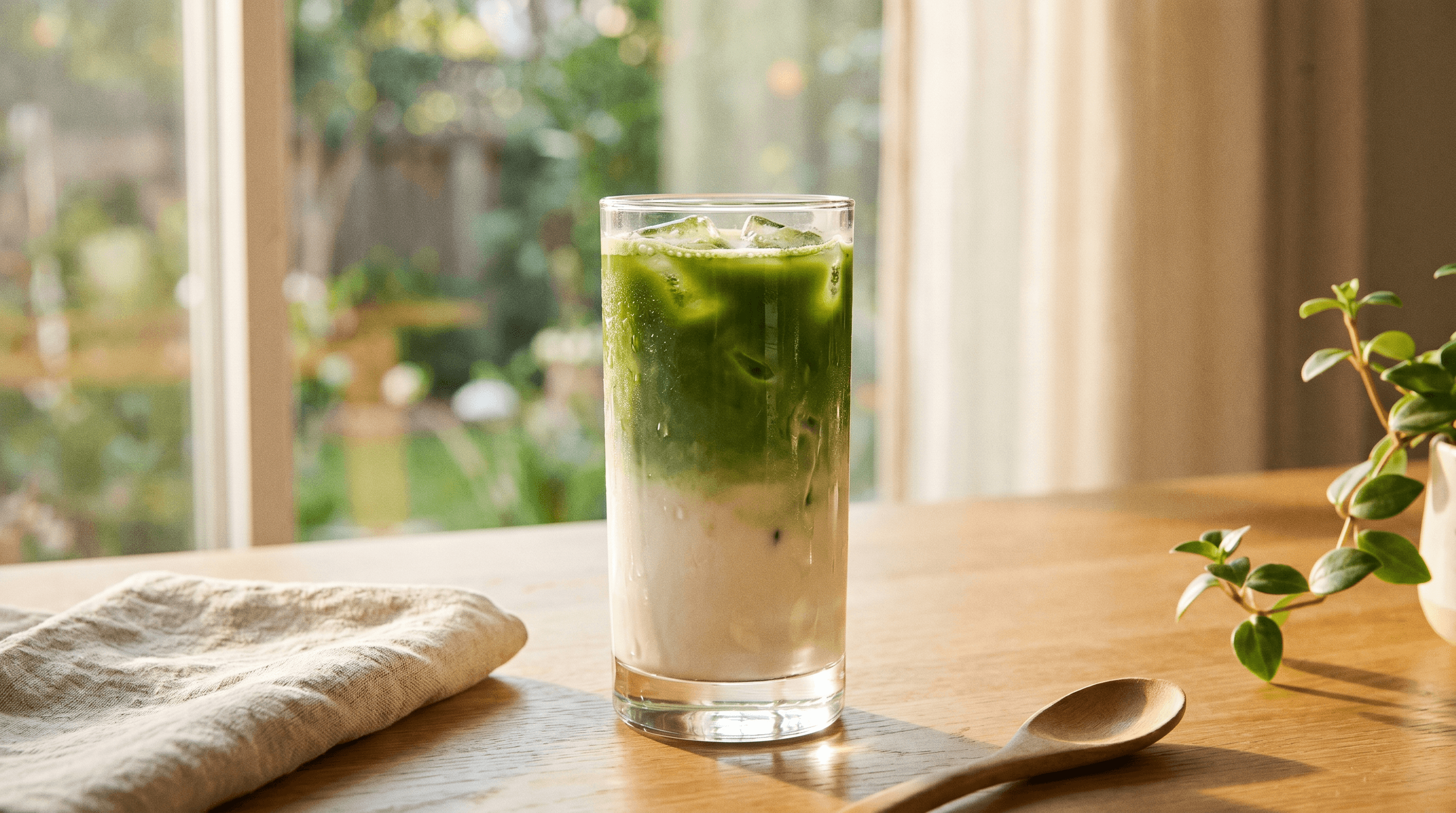
Why Straight Iced Matcha Is the Move This Summer
When most people think "iced matcha," they picture a milky green latte from a café. But there's a simpler, cleaner version that matcha drinkers in Japan have been making for centuries: just matcha, water, and ice. No milk, no syrup, no extras.
Straight iced matcha is light, refreshing, and lets the actual tea flavor come through. It's also dead simple to make once you know the technique — and it costs about a dollar a glass when you're working with quality powder like AURI Ceremonial Matcha.
What You Need
- Matcha powder: 2g (about 1 teaspoon). Ceremonial grade is ideal here since there's no milk to hide behind — AURI Ceremonial Matcha has the smooth, low-bitterness profile that works best straight.
- Water: 8–10oz (240–300ml), cold or room temperature
- Ice: A full glass worth
- A way to mix: Bamboo whisk (chasen), shaker bottle, or small regular whisk
Method 1: Cold-Whisking (The Traditional Way)
This is the purist approach and produces the best texture — a light, frothy iced matcha with a velvety mouthfeel.
- Sift 2g of matcha into a wide bowl or large cup. Sifting is even more important for cold prep because clumps are harder to break up without hot water.
- Add a splash of room-temperature water — about 2 tablespoons (30ml). Using a bamboo whisk or small regular whisk, work the matcha into a smooth paste. This takes about 15 seconds.
- Add 6–8oz of cold water and whisk vigorously in W or M motions for 20–30 seconds until the surface is frothy and the matcha is fully integrated. No clumps, no sediment at the bottom.
- Pour over a full glass of ice and drink immediately.
The key difference from hot preparation: you need to whisk a bit longer since cold water doesn't dissolve matcha as readily. But with a fine ceremonial-grade powder, it comes together quickly.
Method 2: The Shaker Bottle (Fastest Way)
If you don't own a whisk or just want the fastest possible route to iced matcha, a shaker bottle (or any sealed bottle/jar you can shake) works perfectly.
- Add 2g of sifted matcha to your shaker bottle.
- Pour in 8oz of cold water.
- Seal and shake hard for 15–20 seconds. The agitation does the same job as whisking — breaking up clumps and aerating the matcha.
- Pour over ice in a glass and enjoy.
This method is great for on-the-go matcha. Toss a shaker bottle and a small tin of matcha in your bag, and you can make iced matcha anywhere you have access to water and ice. Our Matcha Starter Kit pairs perfectly with a simple shaker for this kind of setup.
Can You Use Cold Water Directly? (Yes, With Tips)
A common question: do you need hot water at all for iced matcha? The short answer is no — you can absolutely make matcha with only cold water. But there are a few things to keep in mind:
- Use ceremonial grade. Higher-grade matcha is stone-ground to a finer particle size (5–10 microns), which means it disperses in cold water much more easily than coarser culinary grades. AURI Ceremonial Matcha is ground fine enough to work cold.
- Sift first, always. This is non-negotiable for cold prep. Clumps that hot water would dissolve won't budge in cold water.
- Whisk or shake longer. Give it a solid 30 seconds of vigorous mixing. Cold water is less efficient at dispersing powder, so you compensate with more agitation.
- Make a paste first. Even with cold water, start by making a paste with a small splash before adding the full volume. This is the single best trick for clump-free cold matcha.
Some people swear by a hybrid approach: dissolve the matcha in 1–2 tablespoons of warm (not hot) water to make a paste, then add cold water and ice. This gives you the best of both worlds — easy dissolution and an ice-cold final drink.
Best Matcha Grade for Iced Drinking
When matcha is served cold and straight — no milk, no sweetener — quality is nowhere to hide. Every flaw in the powder shows up in the cup. Here's what to reach for:
- Ceremonial grade is the move. The smooth, naturally sweet, umami-forward flavor profile of first-harvest ceremonial matcha is exactly what you want when drinking it unmasked. Low bitterness is critical.
- Culinary grade will taste harsh. Without milk and sweetener to soften the edges, culinary-grade matcha tends to taste overly bitter and astringent over ice. Save it for lattes.
- Freshness matters even more cold. Stale matcha tastes more obviously flat and bitter when served cold. Use matcha that's been opened less than 4–6 weeks and stored properly (airtight, refrigerated, away from light).
For a deeper dive on what separates good matcha from bad, check our guide to the best matcha powder.
Flavor Additions That Actually Work
Straight iced matcha is great on its own, but sometimes you want to switch things up. Here are additions that complement rather than cover up the matcha flavor:
Citrus
A squeeze of fresh lemon or lime juice brightens iced matcha beautifully. The acidity cuts through any residual bitterness and adds a summery zing. Start with a quarter of a lemon — a little goes a long way. Yuzu juice is the Japanese-origin option if you can find it.
Fresh Mint
Muddle 3–4 fresh mint leaves at the bottom of your glass before adding ice and matcha. The menthol coolness pairs naturally with matcha's grassy notes. Think of it as a matcha mojito minus the rum.
Honey or Agave
If you want a touch of sweetness, dissolve a half teaspoon of honey or agave into a small amount of warm water first, then add it to your iced matcha. Don't try to dissolve honey directly in cold liquid — it'll just sink to the bottom. Maple syrup also works and mixes more easily cold.
Cucumber
A few thin cucumber slices in the glass add a spa-like quality. Subtle, refreshing, and surprisingly good with matcha's vegetal character.
Sparkling Water
Replace the still water with sparkling water for a matcha spritzer. Whisk or shake the matcha with a small amount of still water first (carbonation and whisking don't mix), then top with sparkling. Light, fizzy, and genuinely refreshing on a hot day.
Batch Prep: Iced Matcha for the Week
If iced matcha is part of your daily routine, batch-prepping a concentrate saves serious time during the week. Here's how:
Matcha Concentrate Method
- Measure out 5 servings: 10g of matcha (about 5 teaspoons).
- Sift into a large bowl or pitcher.
- Add 10oz (300ml) of room-temperature water and whisk or blend until completely smooth. This creates a concentrated matcha base — double strength.
- Pour into an airtight glass jar or bottle and refrigerate.
- Each morning: shake the jar, pour about 2oz of concentrate over ice, and add 6–8oz of fresh cold water. Stir and go.
How Long Does the Concentrate Last?
Matcha concentrate is best consumed within 24 hours. After that, oxidation starts to dull the color (it shifts from vibrant green to olive-brown) and the flavor becomes flatter. For a full work week, prep two batches — one Sunday night, one Wednesday night.
Ice Cube Hack
For zero-waste batch prep, pour leftover matcha concentrate into ice cube trays and freeze. Drop 2–3 matcha ice cubes into a glass of cold water for an instant iced matcha that gets stronger as it melts instead of more watered down. This is a great trick for hot afternoons when regular ice cubes would dilute your drink too fast.
Common Mistakes With Iced Matcha
- Not sifting: We keep saying it because it keeps being the number-one cause of clumpy matcha. Ten seconds with a sieve. Every time.
- Using too little water: Iced matcha shouldn't taste like a shot — it's meant to be a refreshing drink. 8–10oz of water (plus ice) per 2g of matcha is the sweet spot.
- Low-quality powder: Cold and straight is the most unforgiving preparation method. Use the best matcha you have, not the old bag in the back of the pantry.
- Letting it sit too long: Matcha settles. If you make iced matcha and let it sit for 20 minutes, the powder will sink to the bottom. Give it a stir or shake before drinking.
Start Making Iced Matcha at Home
Straight iced matcha is one of the simplest, most refreshing drinks you can make — and it takes less than a minute. No fancy equipment required, no milk to froth, no sweetener to measure. Just good matcha, water, and ice.
The one thing that actually matters is the matcha itself. Start with AURI Ceremonial Matcha for the smoothest, least bitter iced experience, or grab the Starter Kit if you want a bamboo whisk and scoop to go with it.
Frequently Asked Questions
Can you make matcha with cold water?
Yes. Cold water works, but matcha takes longer to dissolve and can taste slightly more bitter. The fix: use a shaker bottle or whisk for 30+ seconds, and opt for a finer ceremonial-grade matcha like AURI's, which disperses more easily than coarser culinary grades.
Does iced matcha have less caffeine than hot matcha?
No. You're using the same amount of matcha powder either way, so the caffeine content is identical — roughly 60-70mg per 2g serving. Temperature affects extraction speed in steeped teas, but with matcha you consume the whole leaf regardless.
How long does iced matcha last in the fridge?
Pre-whisked matcha concentrate can be stored in the fridge for up to 24 hours in a sealed container. Beyond that, the flavor dulls and the color starts to brown. For the best taste, make it fresh or prep concentrate the night before.
Why is my iced matcha bitter?
The most common causes are low-quality matcha, too much powder relative to water, or not whisking long enough. Start with a good ceremonial-grade matcha, stick to 2g per 8oz serving, and whisk or shake vigorously until completely smooth.
Related Articles
Ready to Try AURI Matcha?
Premium ceremonial-grade matcha from Uji, Kyoto.
Shop Now